

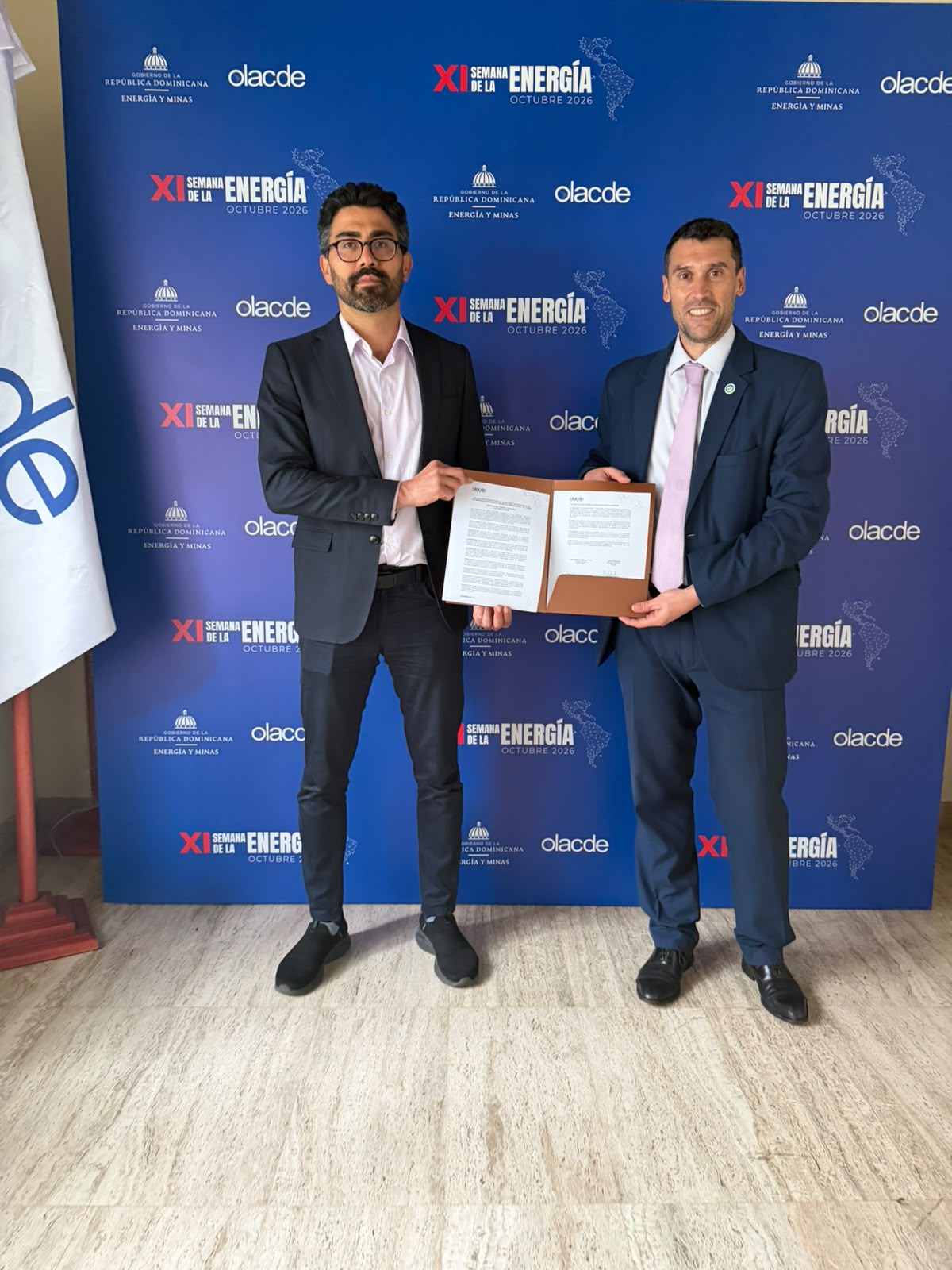
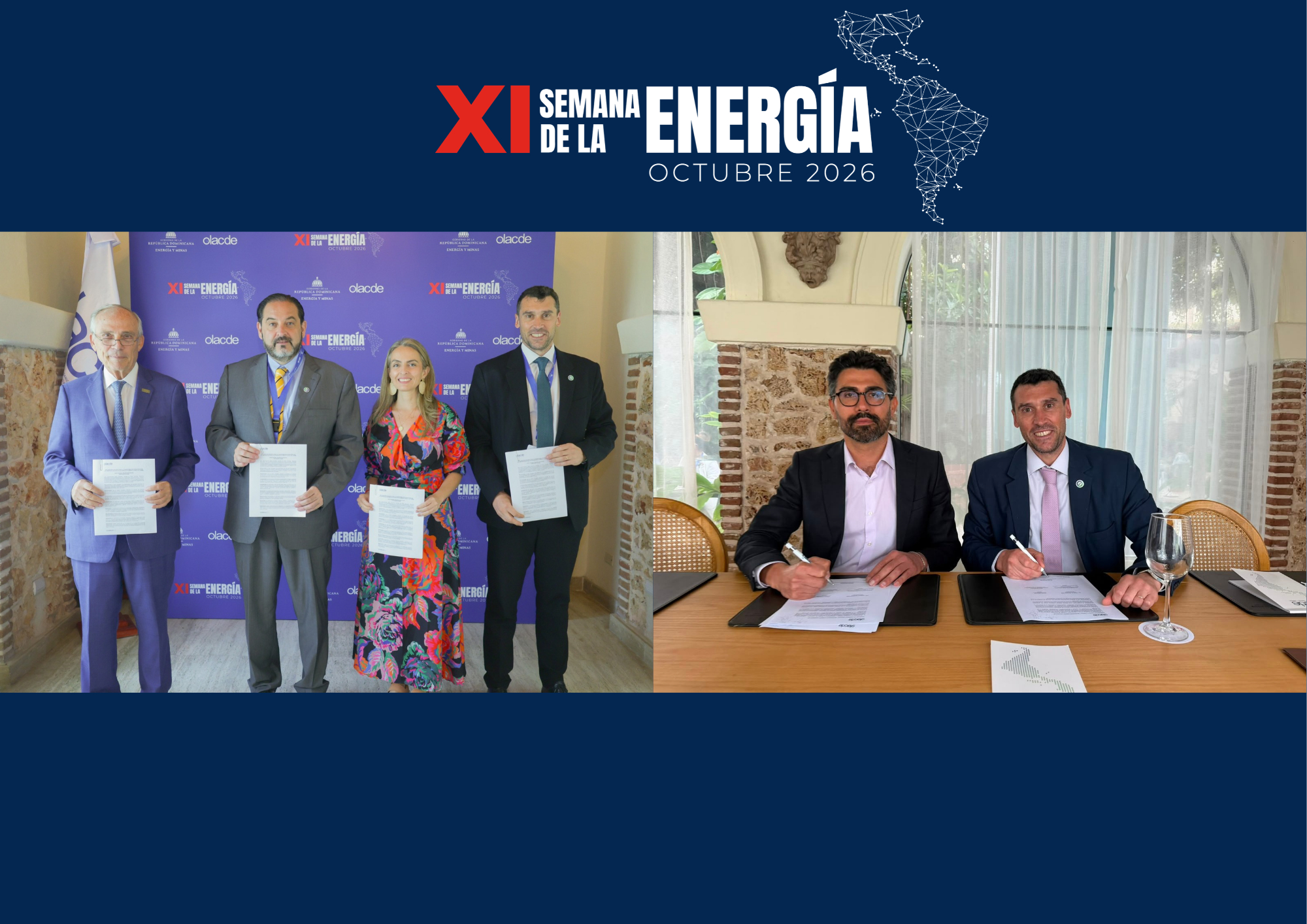
As part of OLACDE’s 11th Energy Week, OEMLAC presented the DRIVE initiative and the LAC Methane Radar, and organized two panels on the transformation of national oil companies and the conditions needed to advance toward a low-emission natural gas market.
The XI Energy Week, organized by the Latin American and Caribbean Energy Organization (OLACDE), took place from October 6 to 9, 2026, in Santo Domingo, Dominican Republic. The leading energy event in Latin America and the Caribbean provided a forum for political, technical, and strategic dialogue to examine the sector’s priorities, exchange experiences, and strengthen regional cooperation.
As part of the event, OLACDE’s Latin American and Caribbean Methane Emissions Observatory (OEMLAC) organized two panels exploring the relationship between business transformation, methane management, and energy market conditions. The discussions brought together perspectives from governments, companies, international organizations, academia, and civil society, with particular attention to energy security, operational efficiency, and access to financing.
Both sessions featured opening remarks by Gastón Siroit, Director of OEMLAC, and were moderated by Anabella Ruiz, the Observatory’s Coordinator.
.
XI ENERGY WEEK
DRIVE and the LAC Methane Radar: Initiatives to Support Regional Action
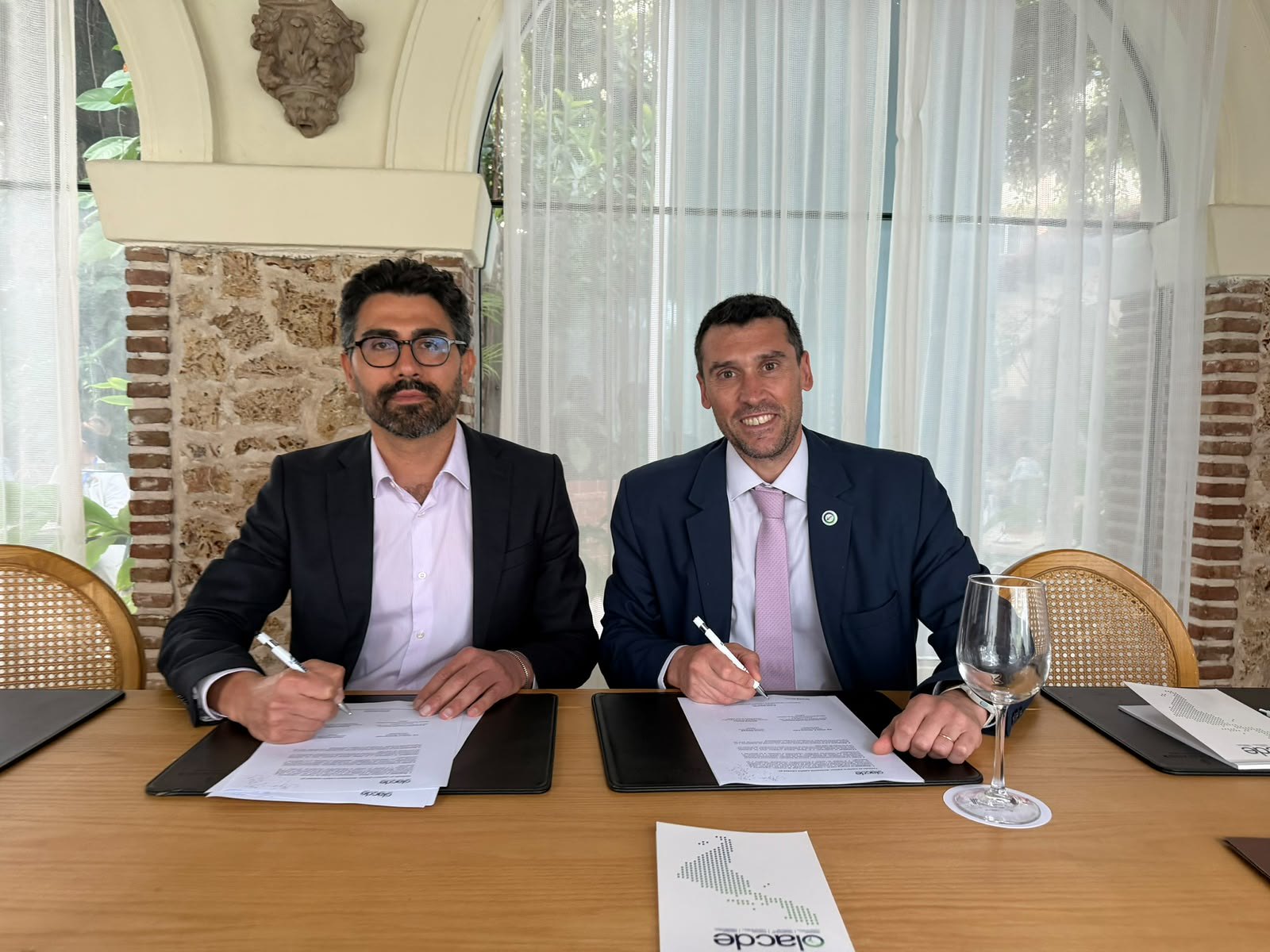
In his opening remarks, Gastón Siroit introduced DRIVE (Diagnostics and Investment Pathways, Project Viability, and Energy Transformation), a regional initiative that OLACDE is advancing to support the transformation of national oil companies into energy companies.
The Director of OEMLAC highlighted the need to strengthen capacities to turn investment opportunities into well-structured, viable projects ready for implementation. He explained that DRIVE aims to support the identification and prioritization of opportunities, the development of diagnostics and transformation pathways, and connections between projects and development banks, climate funds, and other financing providers.
OEMLAC also presented the LAC Methane Radar, an interactive tool that organizes publicly available information on the commitments, initiatives, and reporting practices of countries and national oil companies. The platform allows users to explore information by country, company, and subregion, facilitating access to evidence for analyzing and tracking the regional methane agenda.
Transforming National Oil Companies with a Long-Term Vision
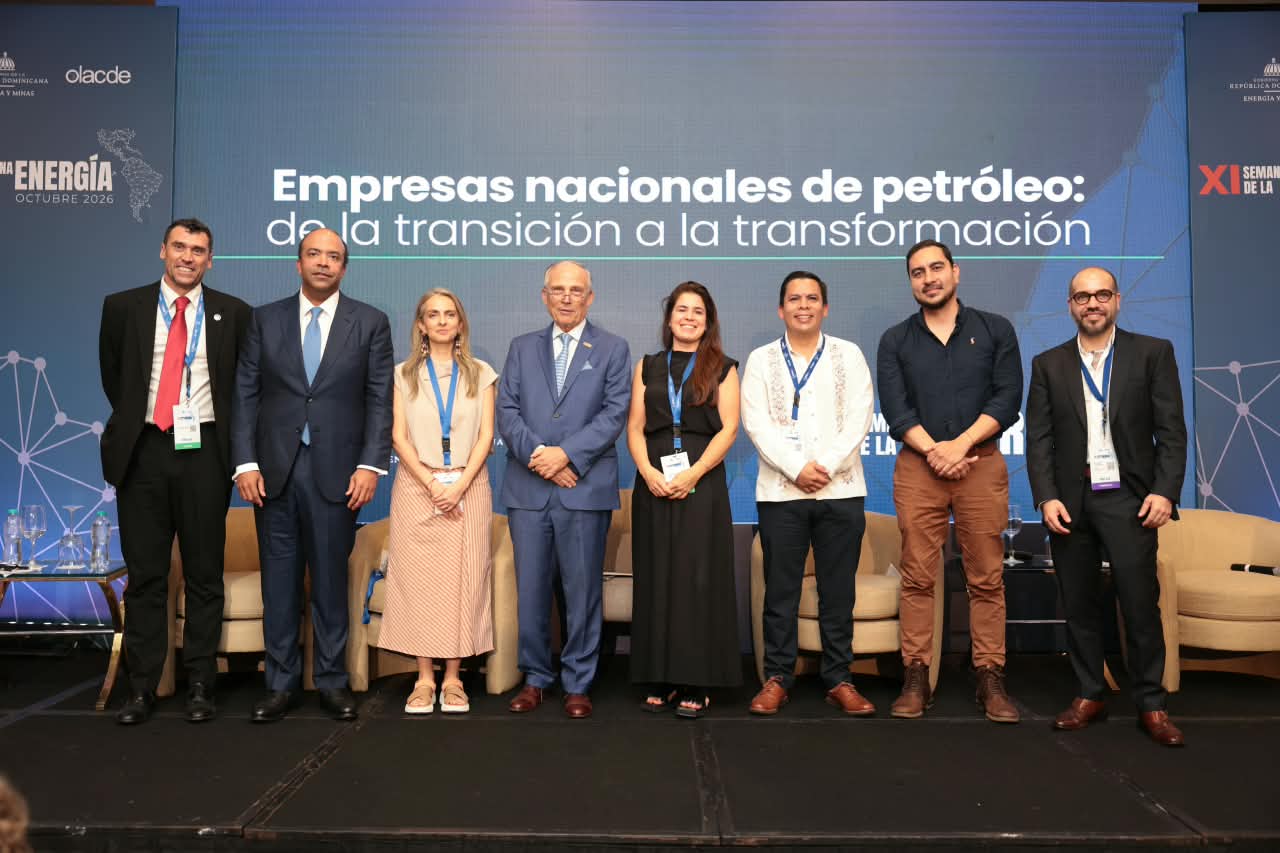
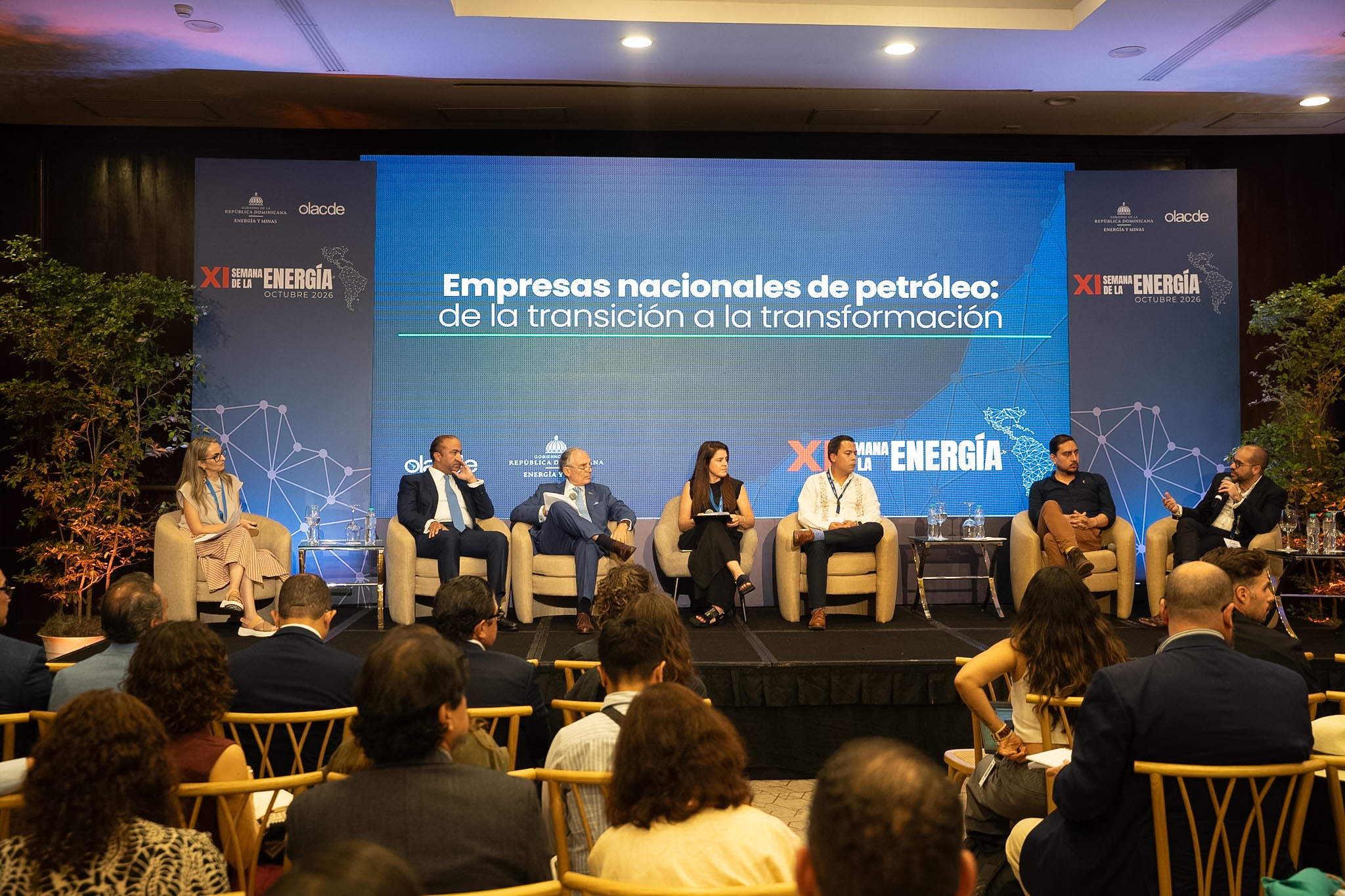
The panel “National Oil Companies: From Transition to Transformation,” held on October 6, examined the strategies and conditions needed to support the evolution of these companies, considering their role in energy supply, public revenue generation, and countries’ economic and social development.
The discussion explored how to align corporate planning with national priorities, assess transition risks, and structure projects that can secure financing. Participants also emphasized the importance of considering workers and communities throughout these processes, as well as the value of regional cooperation and peer learning.
One of the main points raised was the need to define transformation strategies tailored to each company’s characteristics, capabilities, and public responsibilities. Differences among countries, governance models, and financial conditions require responses adapted to each national context.
In his remarks, Carlos Garibaldi, Executive Secretary of ARPEL, highlighted the diversity of companies across the region and identified two complementary areas for action: improving operational efficiency and environmental performance, and drawing on existing industry capabilities to develop new energy businesses. Leak detection, vapor recovery, and gas utilization were identified as relevant measures to strengthen operational performance.
Ana Carolina González, of NRGI, emphasized the importance of incorporating transition risks into investment assessments and making the findings transparent. Her remarks underscored that these companies’ decisions have long-term implications for governments and citizens, making it necessary to consider different scenarios for the evolution of energy markets.
Adrián Correa, Professor and Researcher at Universidad Distrital Francisco José de Caldas, discussed companies’ differing capabilities and vulnerabilities and the need to protect public finances. He also stressed that transformation strategies must incorporate labor, social, and territorial dimensions, considering alternatives for workers and communities linked to the oil industry.
Drawing on the Dominican Republic’s experience, Samuel Pereyra, President of REFIDOMSA, highlighted the responsibility to ensure fuel supply in an importing country. In this context, he discussed technological modernization, increased storage capacity, and the incorporation of solar energy as part of the company’s evolution.
From Mexico, Julio César de Regil González, of the Secretariat of Energy, and Mauricio Camarena, of Pemex, discussed the alignment between national energy policy and corporate planning. Topics included the diversification of energy sources and operational efficiency. Camarena also highlighted the integration of gas utilization into field development, alongside measures aimed at reducing flaring and venting.
On financing, speakers emphasized the need for projects with clearly defined scopes, clear rules, and implementation capabilities. These elements were considered essential to building confidence, bringing together complementary capabilities, and facilitating participation from different sources of investment.
Measurement, Transparency, and Incentives for a Low-Emission Natural Gas Market
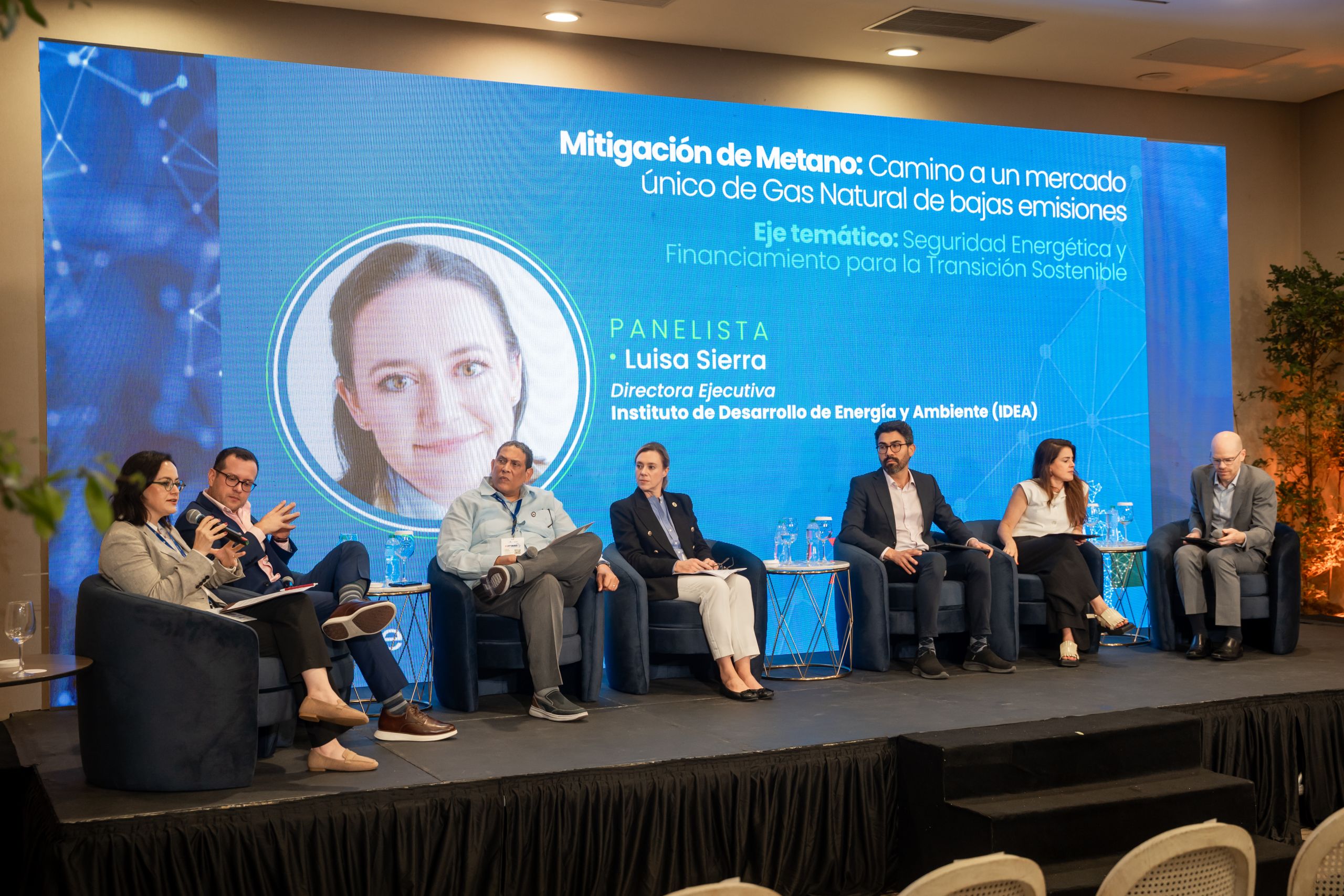
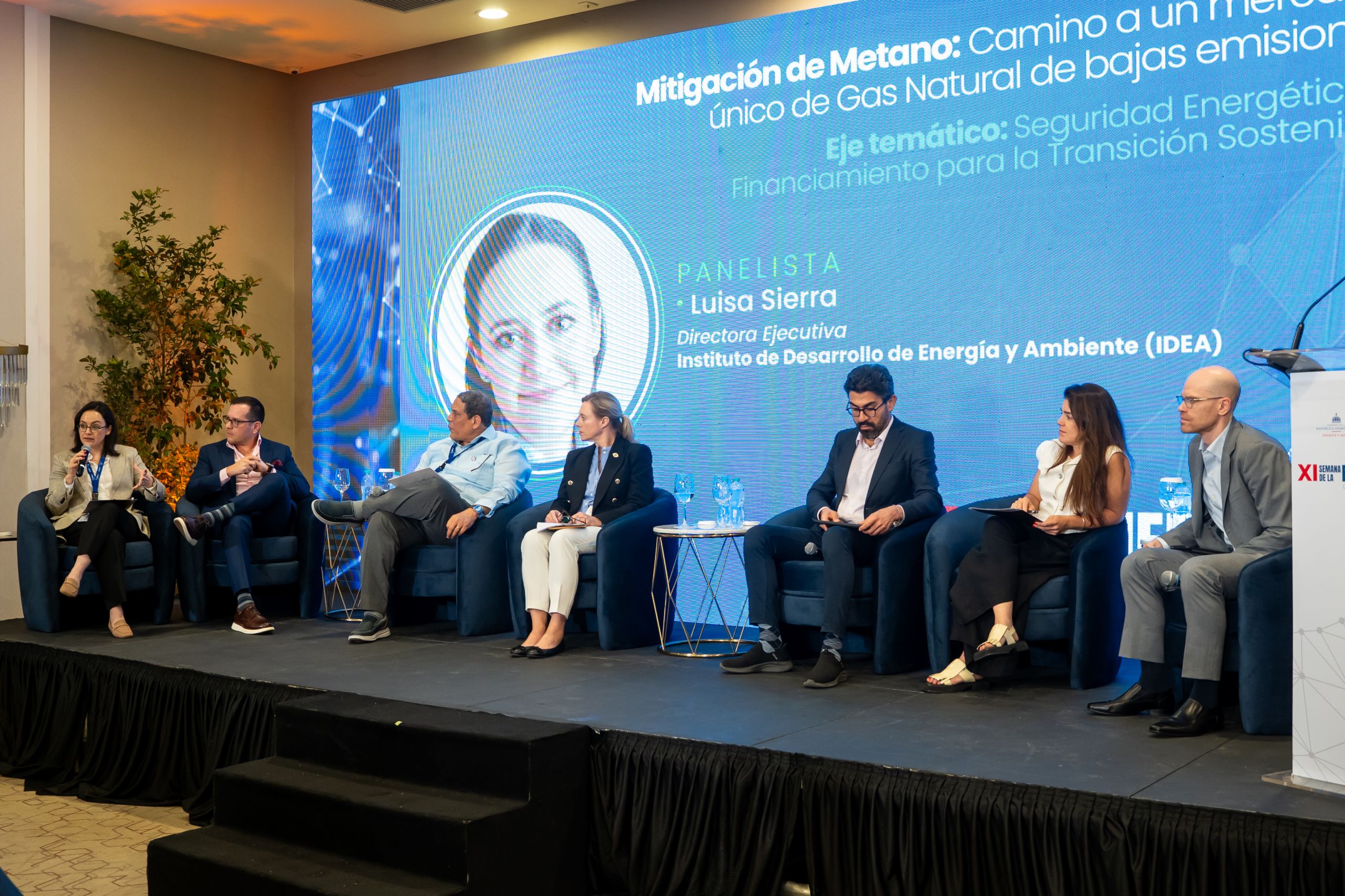
The panel “Methane Mitigation: Toward a Single Market for Low-Emission Natural Gas,” held on October 7, examined the conditions needed for methane performance to be recognized in commercial, investment, and financing decisions.
In his opening presentation, TJ Conway, Director of RMI’s Climate Intelligence Program, highlighted that differentiating gas by its emissions intensity requires shared definitions, reliable information, and mechanisms to recognize this attribute throughout the supply chain. He also noted the role of buyers in generating demand signals that encourage better practices.
Henrique Bezerra, Regional Director for Latin America and the Caribbean at Global Methane Hub, discussed progress on the regional agenda and the need to harmonize regulatory criteria. He also explained that the economic viability of a mitigation measure must be accompanied by conditions that support its implementation, given that these investments compete for resources with other activities in the sector. In this regard, he emphasized the importance of incentives and performance-linked financial mechanisms.
Information quality was a central theme of the discussion. Diego León, of Bridger Photonics, presented the potential of aerial technologies to detect and quantify emissions. He explained that initial measurements may identify emissions above previous estimates, while also reducing uncertainty in inventories and establishing a more accurate baseline to guide corrective actions and verify their results.
Similarly, Georgie Passalaris, of OGMP 2.0, an initiative of the United Nations Environment Programme (UNEP), highlighted the contribution of measurement-based reporting frameworks to improving data quality and comparability. Her remarks underscored the importance of common criteria to strengthen confidence in the information reported by companies.
From a civil society perspective, Luisa Sierra, Executive Director of the Institute for Energy and Environmental Development (IDEA), shared lessons from Mexico on regulatory implementation. Identifying regulated entities, standardizing methodologies, strengthening independent verification, and facilitating public access to compliance information were among the conditions highlighted. She also addressed the risks associated with dependence on imported gas.
Tomás Varona, of the Dominican Republic’s Ministry of Energy and Mines, highlighted the ability of importing countries to promote better supply conditions: “We do not produce the gas, but we can influence the conditions under which we buy it.”
The session’s contributions underscored the importance of bringing together robust measurement, reporting, and verification systems, regulatory capabilities, and financial mechanisms, alongside demand signals that recognize methane management efforts in the market.
Both initiatives form part of OEMLAC’s work to strengthen regional cooperation, facilitate access to information, and support the development of capabilities and projects that contribute to more efficient energy management.