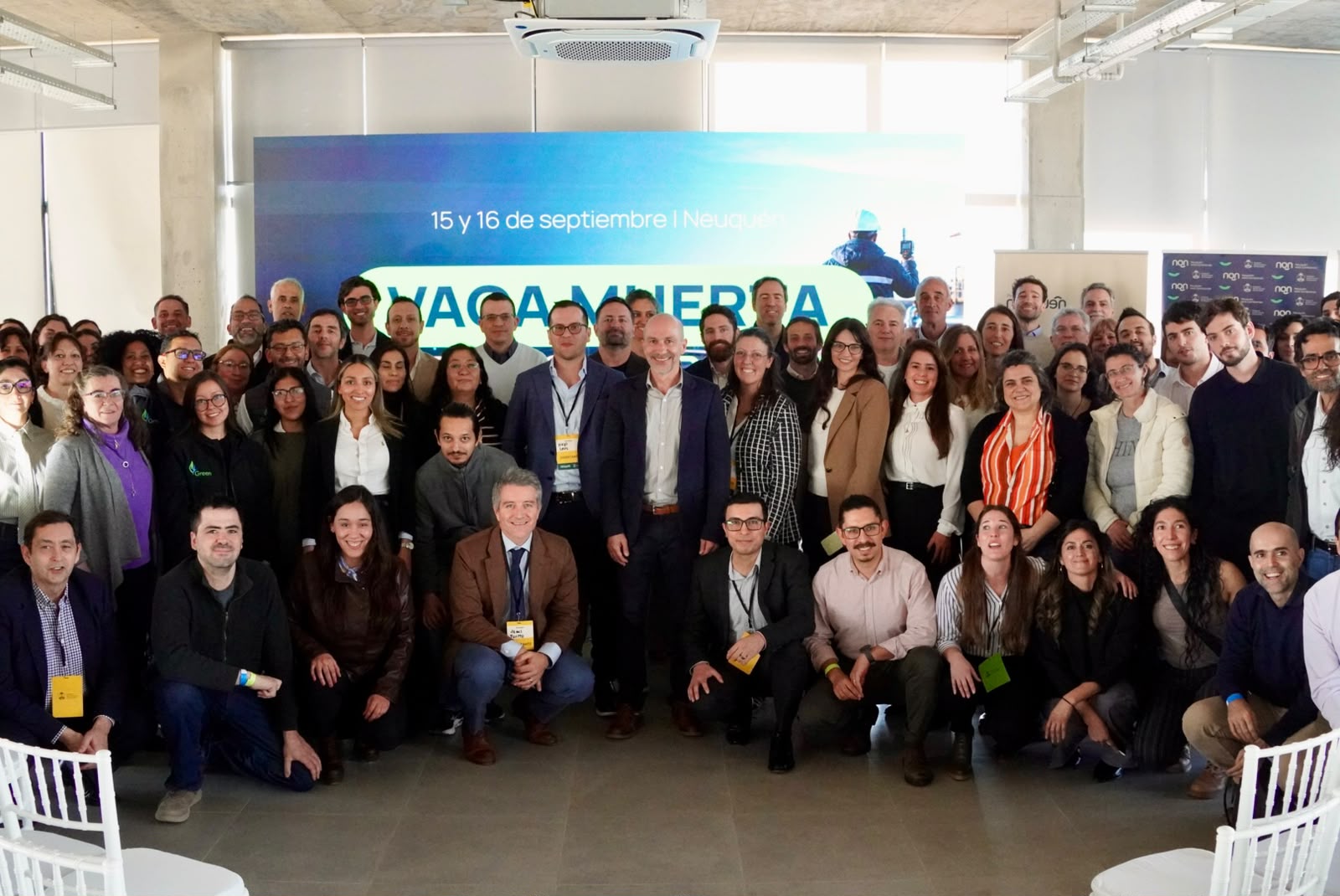


OLACDE’s OEMLAC participated in Vaca Muerta Metano Near Zero 2026, where government officials, companies, and experts shared experiences to strengthen measurement, operational efficiency, and emissions mitigation in the oil and gas sector.
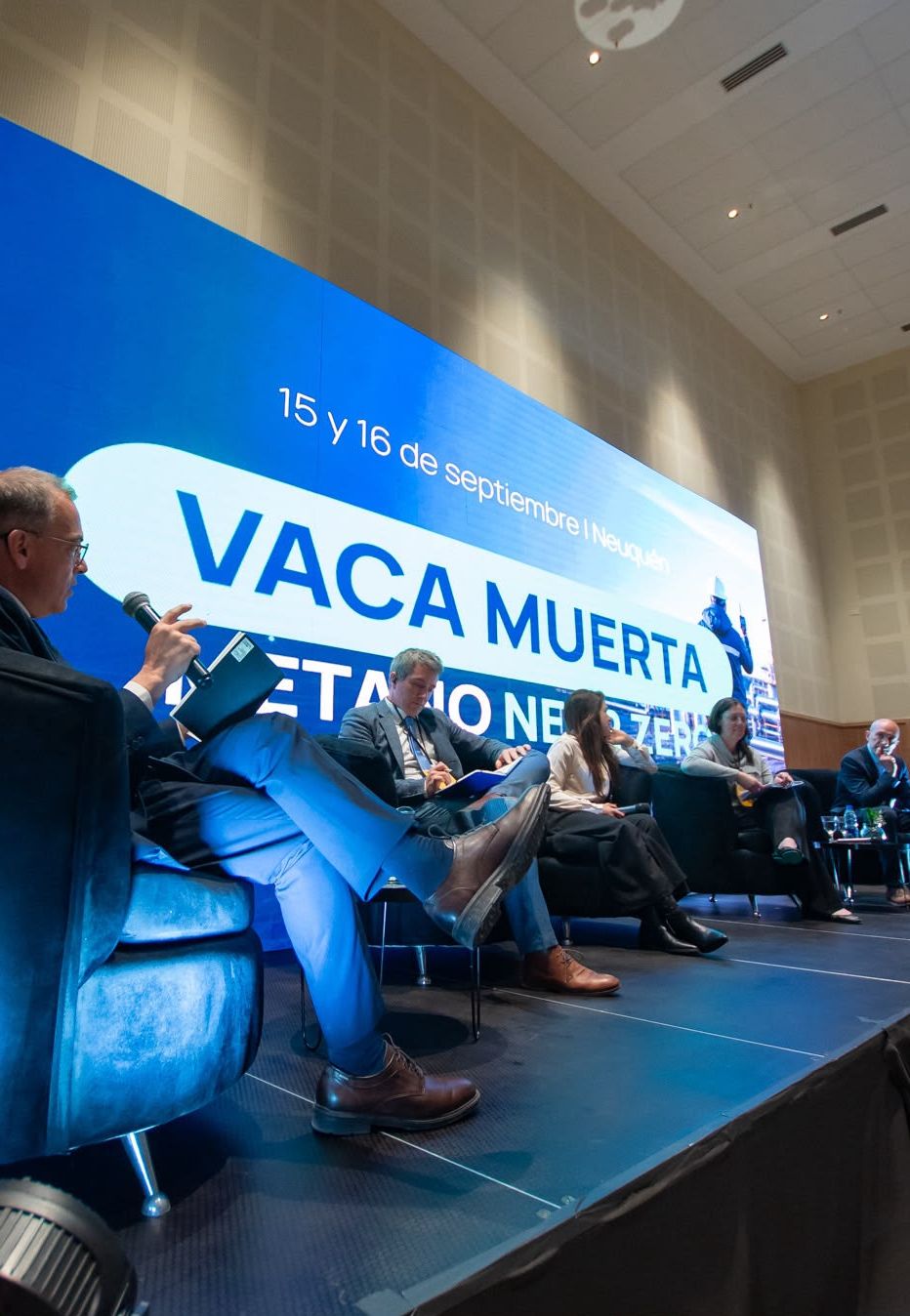
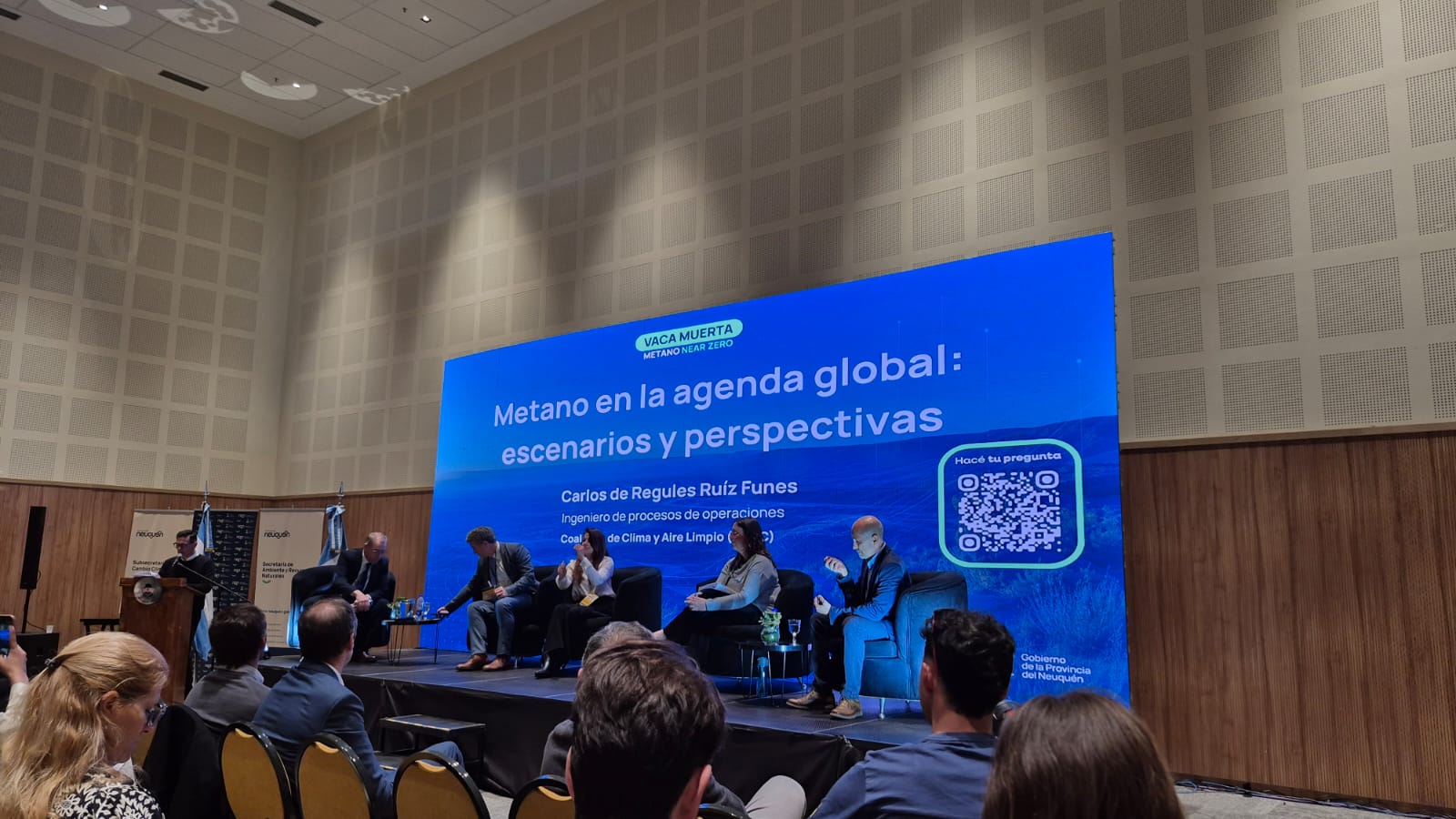
How to support the development of oil and gas activities through better methane management was one of the central themes of Vaca Muerta Metano Near Zero 2026, held on September 15–16 in Neuquén, Argentina. Over two days, representatives from governments, companies, international organizations, and universities discussed the tools available and the challenges of putting them into practice.
The event featured Anabella Ruiz, Coordinator of OLACDE’s Latin American and Caribbean Methane Emissions Observatory (OEMLAC), who highlighted the relevance of Neuquén’s experience for other producing regions. Her remarks emphasized the opportunity to build capacity as international standards evolve and to turn local experiences into useful knowledge for the region.
From Measurement to Action
The first day, held at the Domuyo Convention Center, focused on public policy, corporate experiences, and international standards. YPF, Total Austral, Shell, Vista, and Pampa Energía presented initiatives related to decarbonization, operational efficiency, and methane management. Provincial authorities also highlighted the importance of measurements and baselines to inform decision-making.
The second day, held at the Neuquén Science and Technology Hub, provided in-depth training on satellite monitoring, facility-level measurements, optical gas imaging cameras, and leak detection and repair programs. Experts from UNEP’s International Methane Emissions Observatory, the University of Texas at Austin, and Clean Air Task Force took part.
A key focus of the exchange was the connection between data and operational decisions: detecting an emission helps identify a problem, while mitigating it requires taking action and verifying the outcome. Information quality and the complementary use of technologies are essential to guide these actions. Addressing gas losses also enables better use of the gas, improving both process efficiency and environmental performance.
Lessons for Latin America and the Caribbean
Beyond technologies, the event addressed the institutional capacity needed to sustain methane management: clear responsibilities, trained personnel, consistent reporting, and verification mechanisms. These conditions make it possible to assess progress and generate comparable information over time.
From the regional perspective presented by Anabella Ruiz, the methods applied, challenges encountered, and solutions developed in Neuquén can serve as reference points for other countries, taking into account their differing operational and institutional contexts.
OEMLAC’s participation in these forums supports its work in knowledge generation, cooperation, and capacity building across Latin America and the Caribbean. These exchanges help bring local experiences into the regional agenda and advance methane management that links verifiable information, resource utilization, and actions with demonstrable results.