

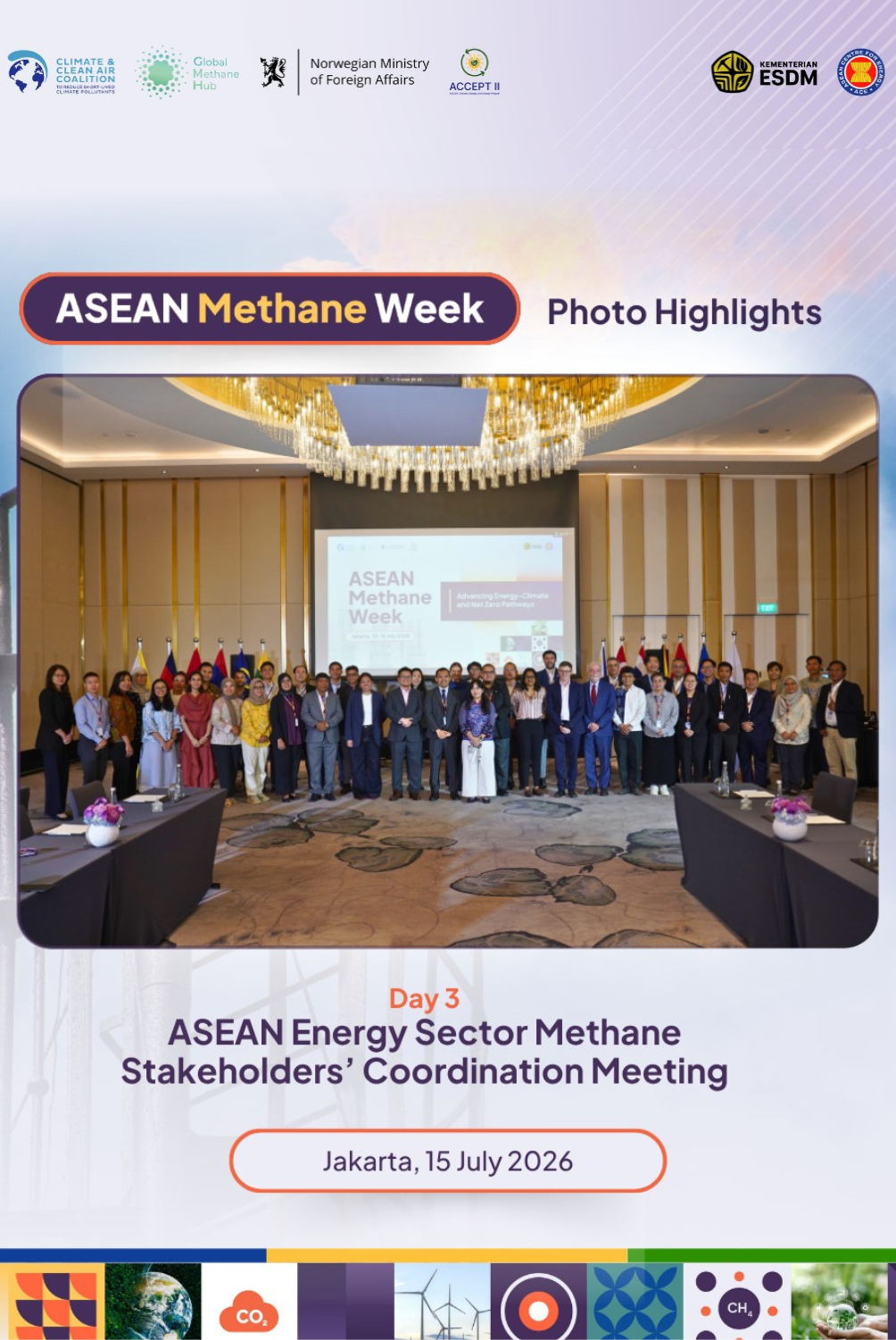
Jakarta, Indonesia, July 17, 2026. The Latin American and Caribbean Energy Organization (OLACDE), through the Latin American and Caribbean Methane Emissions Observatory (OEMLAC), participated in ASEAN Methane Week, held from July 13 to 16 in Jakarta, Indonesia.
Representing OEMLAC, its Director, Gastón Siroit, took part in the panel “Overview, Challenges and Opportunities of Methane Emissions” during the ASEAN Energy and Climate Conference. During his presentation, he shared the experience developed in Latin America and the Caribbean over the past three years to strengthen methane emissions management and mitigation, combining technical knowledge production, capacity building, and coordination among governments, companies, and international organizations.
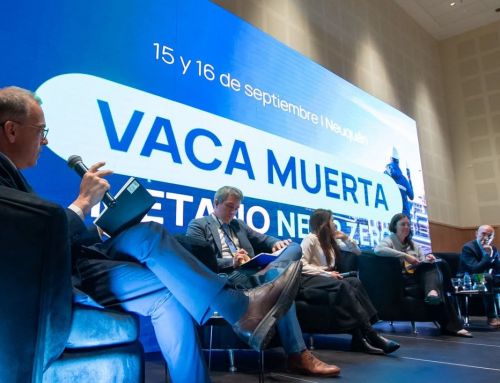
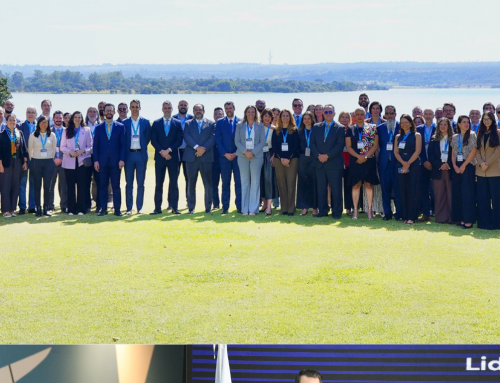
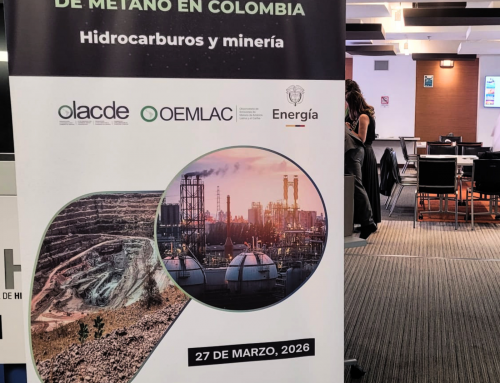
Among the experiences shared were the progress and lessons learned from the Regional Methane Summits held in Bogotá, Lima, and Brasília, which have helped consolidate spaces for dialogue and cooperation among governments, energy-sector companies, international organizations, academia, and civil society. OEMLAC’s experience demonstrates the importance of complementing emissions-reduction commitments with institutional capacities, technical information, and mechanisms that enable progress toward implementation.
Siroit also participated in the ASEAN Energy Sector High-Level Dialogue on Methane Mitigation and Net Zero Emissions and in the Energy Sector Methane Stakeholder Coordination Meeting. Both spaces enabled the exchange of experiences on regulatory frameworks, financing mechanisms, technical tools, and cooperation models aimed at turning commitments into concrete mitigation actions.
ASEAN Methane Week was organized by the ASEAN Centre for Energy (ACE), in collaboration with Global Methane Hub, the Climate and Clean Air Coalition, and the ASEAN Climate Change and Energy Project (ACCEPT). The event brought together nearly 300 representatives from governments, energy companies, financial institutions, research centers, and international organizations.
Over four days, discussions addressed the integration of methane mitigation into energy and climate policies, cooperation among public institutions, financing for emission-reduction projects, and the development of solutions for the oil, gas, and coal sectors.
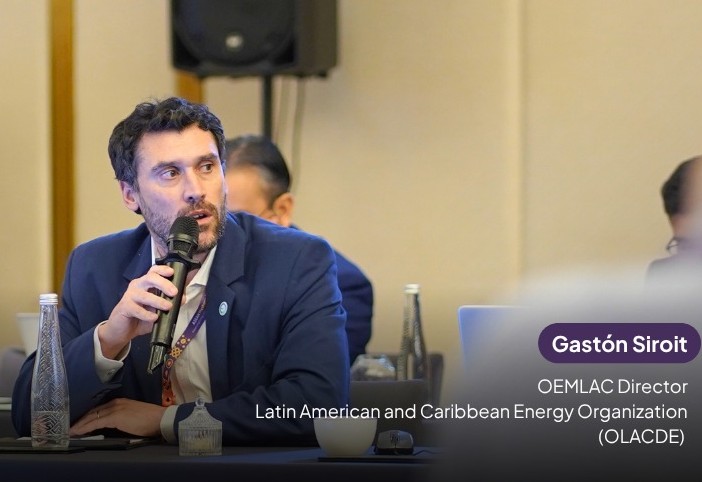
OLACDE’s participation also opened a space for exchange between Latin America and the Caribbean and Southeast Asia on the challenges both regions face in moving from commitments to implementation. Although their energy systems and institutional frameworks have different characteristics, there are concrete opportunities to share experiences in measurement, capacity building, financing, and public-private coordination.
OEMLAC’s presence in Jakarta also reflects a new stage of regional cooperation: Latin America and the Caribbean not only participates in the international methane conversation, but also has its own experiences, capacities, and lessons learned to share with other regions in order to accelerate the implementation of concrete solutions.