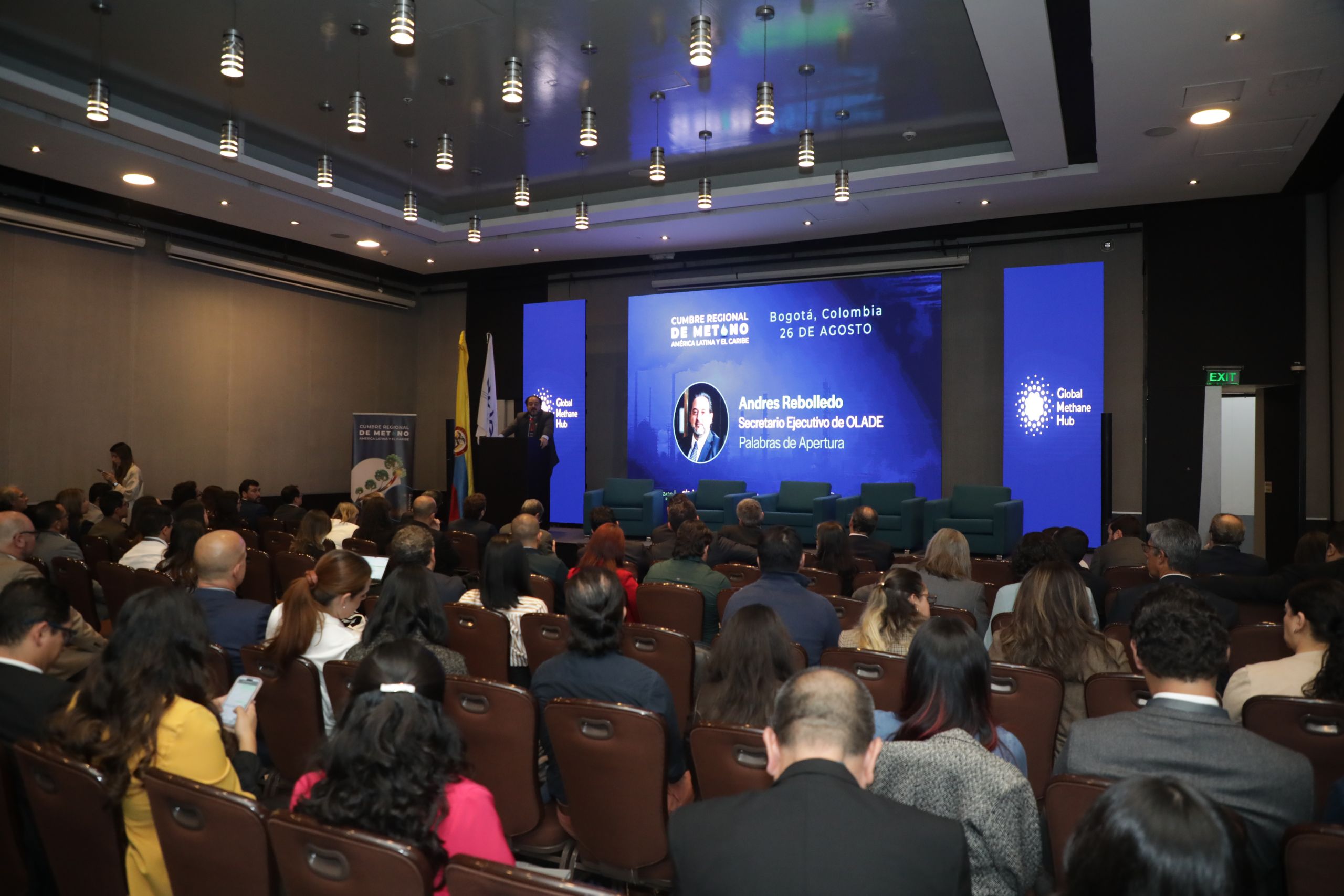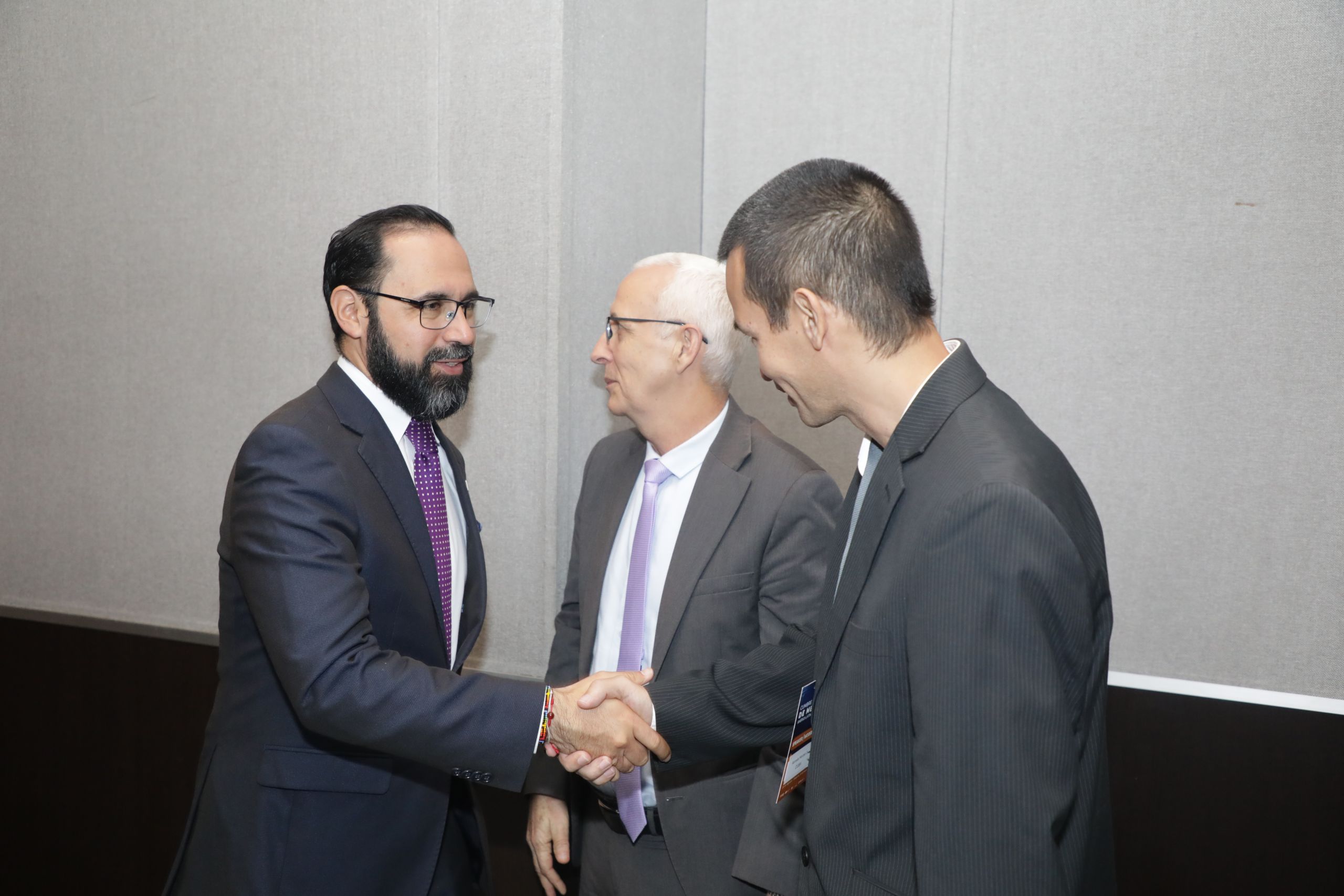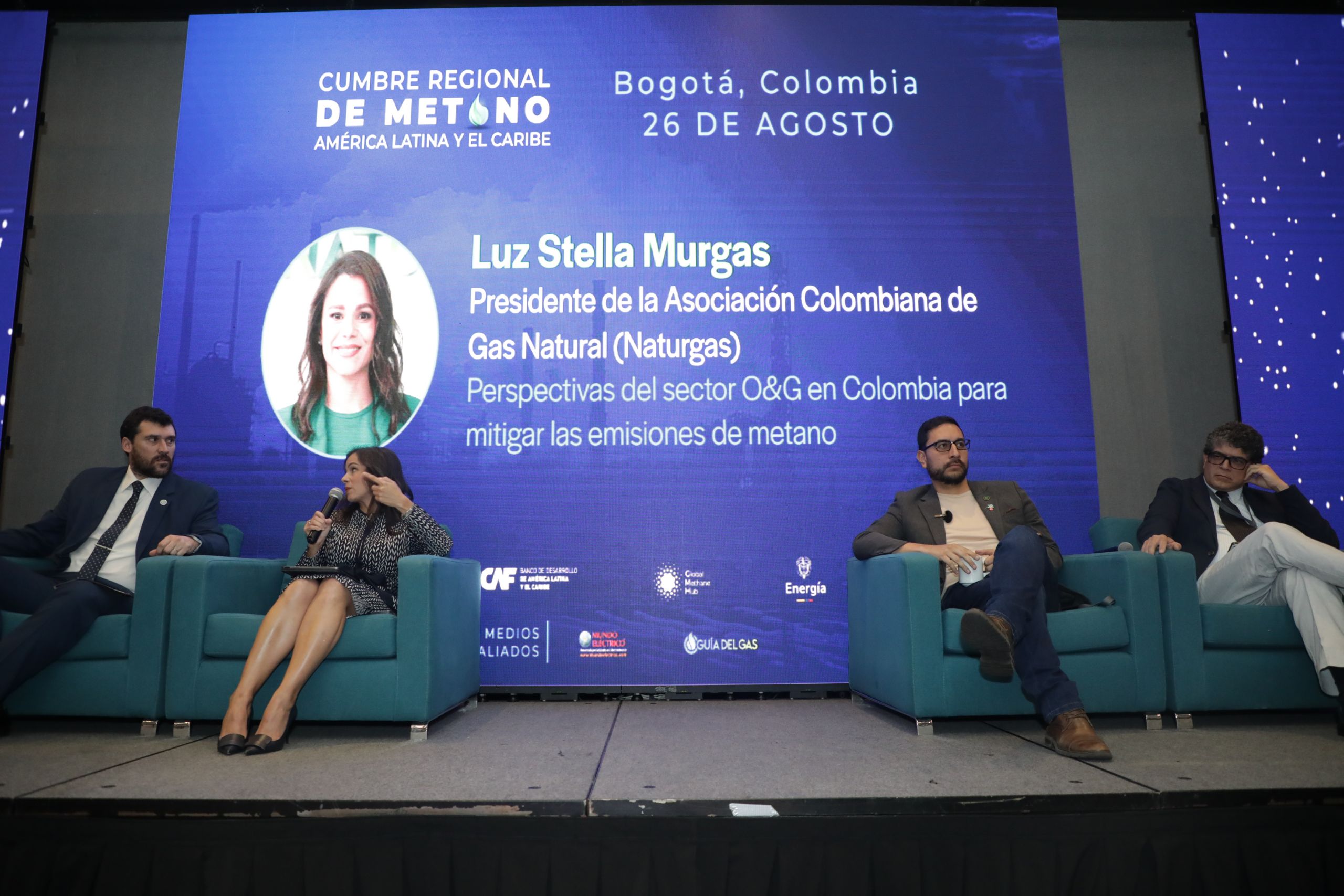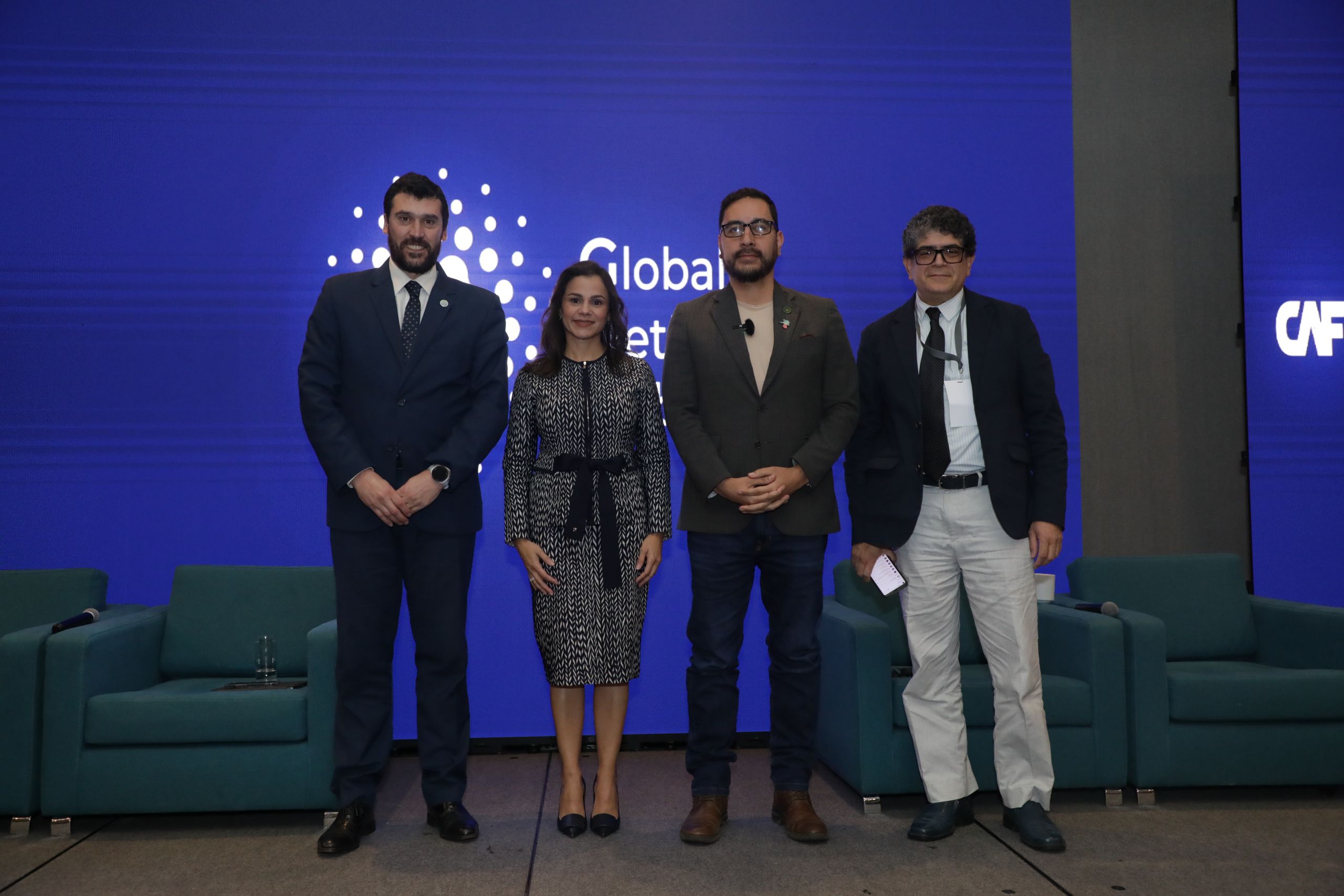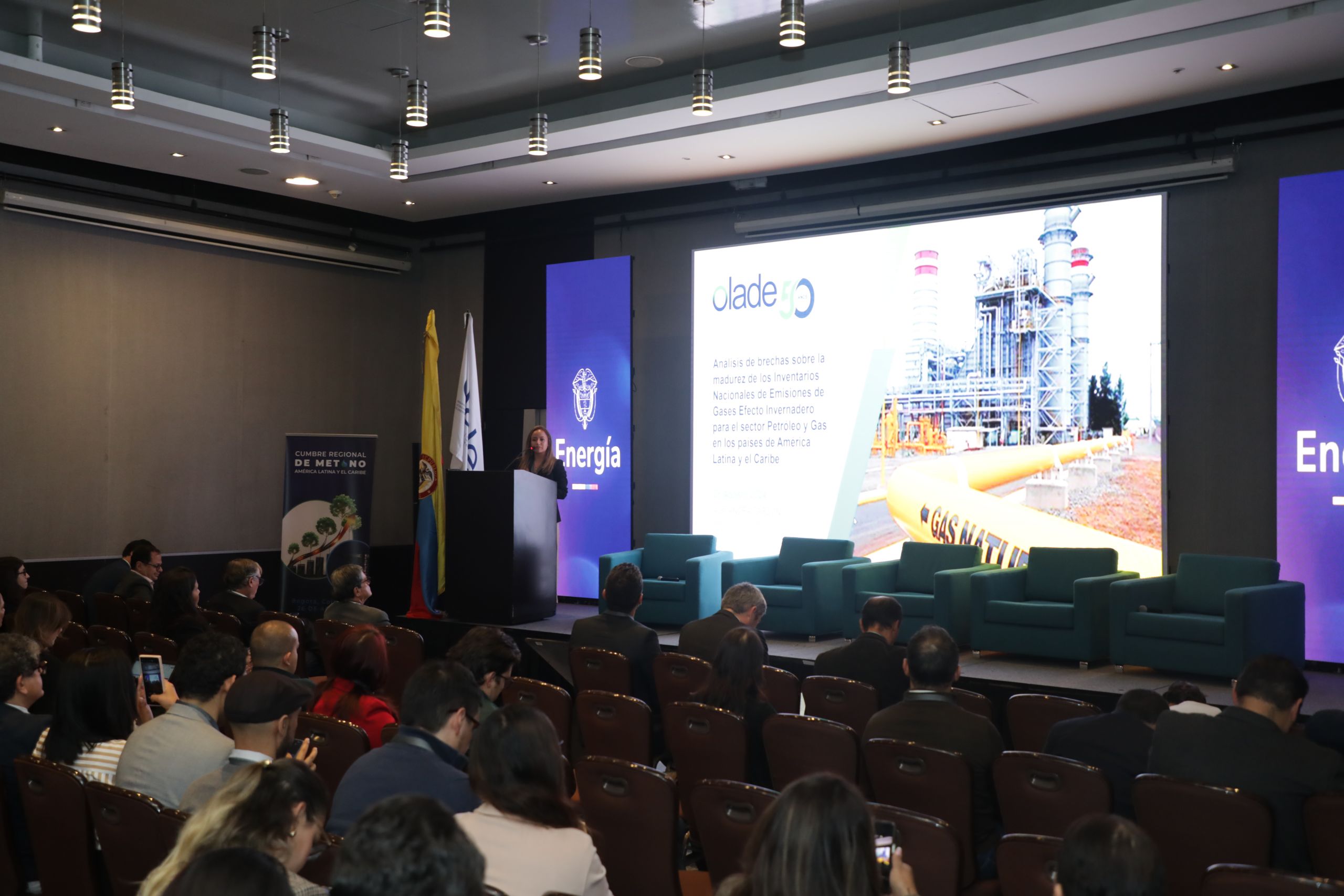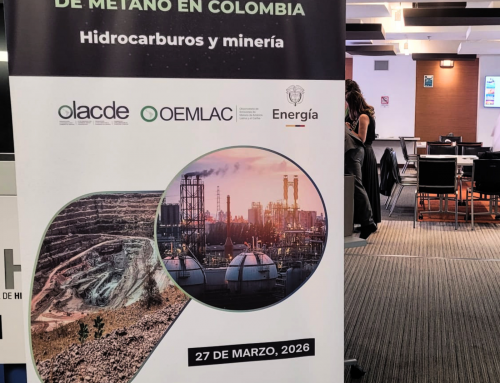


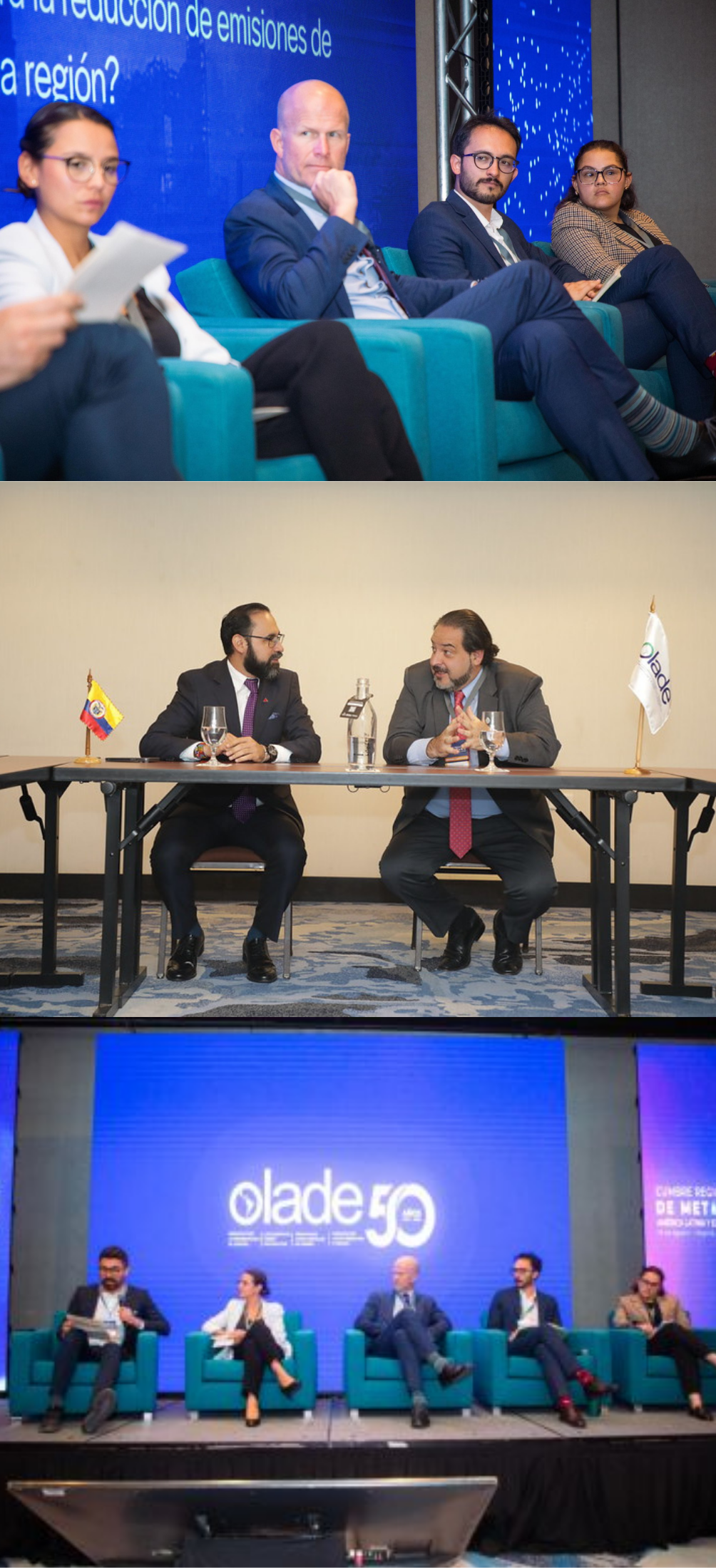
With the participation of more than 100 representatives from governments, multilateral organizations, energy sector companies, academia, and civil society, the First Regional Methane Summit for Latin America and the Caribbean was held in Bogotá, Colombia. The event was organized by the Latin American and Caribbean Energy Organization (OLACDE), in conjunction with the Development Bank of Latin America and the Caribbean (CAF), the Global Methane Hub (GMH), and Colombia’s Ministry of Mines and Energy.
The event established itself as a key forum for discussing strategies to mitigate methane (CH₄), a climate super-pollutant responsible for about 45% of current global warming, according to estimates by the United Nations Environment Programme (UNEP).
A priority for the energy sector
In Latin America and the Caribbean, the oil and gas sector is the primary source of methane emissions, presenting a strategic opportunity to improve operational efficiency, reduce climate impact, and contribute to meeting international decarbonization commitments.
During the event, participants discussed technical advances, challenges, and opportunities, highlighting initiatives such as the Methane Emissions Observatory for Latin American and Caribbean (OEMLAC), a tool that already brings together 22 countries and offers technical support, methodological standardization, and access to data for decision-making.
“Improving methane inventories is key to evidence-based climate action”
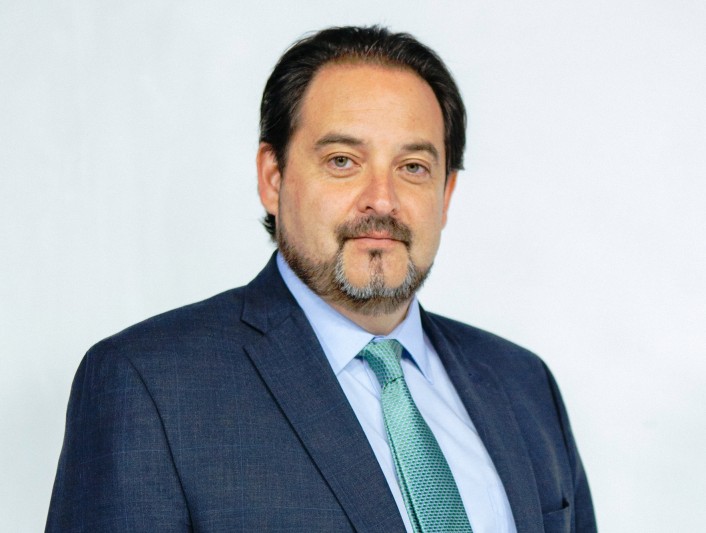
Andrés Rebolledo
Executive Secretary of OLACDE
Thematic Areas and Multi-Stakeholder Participation
The Summit was attended by Colombia’s Minister of Mines and Energy, Andrés Camacho; CAF President Sergio Diaz-Granados; Global Methane Hub CEO Marcelo Mena; and OLACDE Executive Secretary Andrés Rebolledo.
It also featured high-level representation from initiatives and organizations such as UNEP’s International Methane Emissions Observatory (IMEO), the International Energy Agency, the Clean Air Task Force, the Association of Oil, Gas, and Renewable Energy Companies (ARPEL), ECOPETROL, Petrobras, and YPF, among others.
These participants presented their perspectives, contributions, and reflections on the Summit’s central themes:
“There are available and viable technologies to reduce methane emissions from the oil and gas sector by up to 40% at net-zero cost.”

Alejandra Bernal-Guzmán
cInternational Energy Agency
In addition, the Summit served as a forum for 12 countries in the region to share with one another and with various international organizations their key progress in improving national GHG inventories, with the aim of securing reliable and robust data to enable joint action.
i regional summit of methane
Commitments and Next Steps
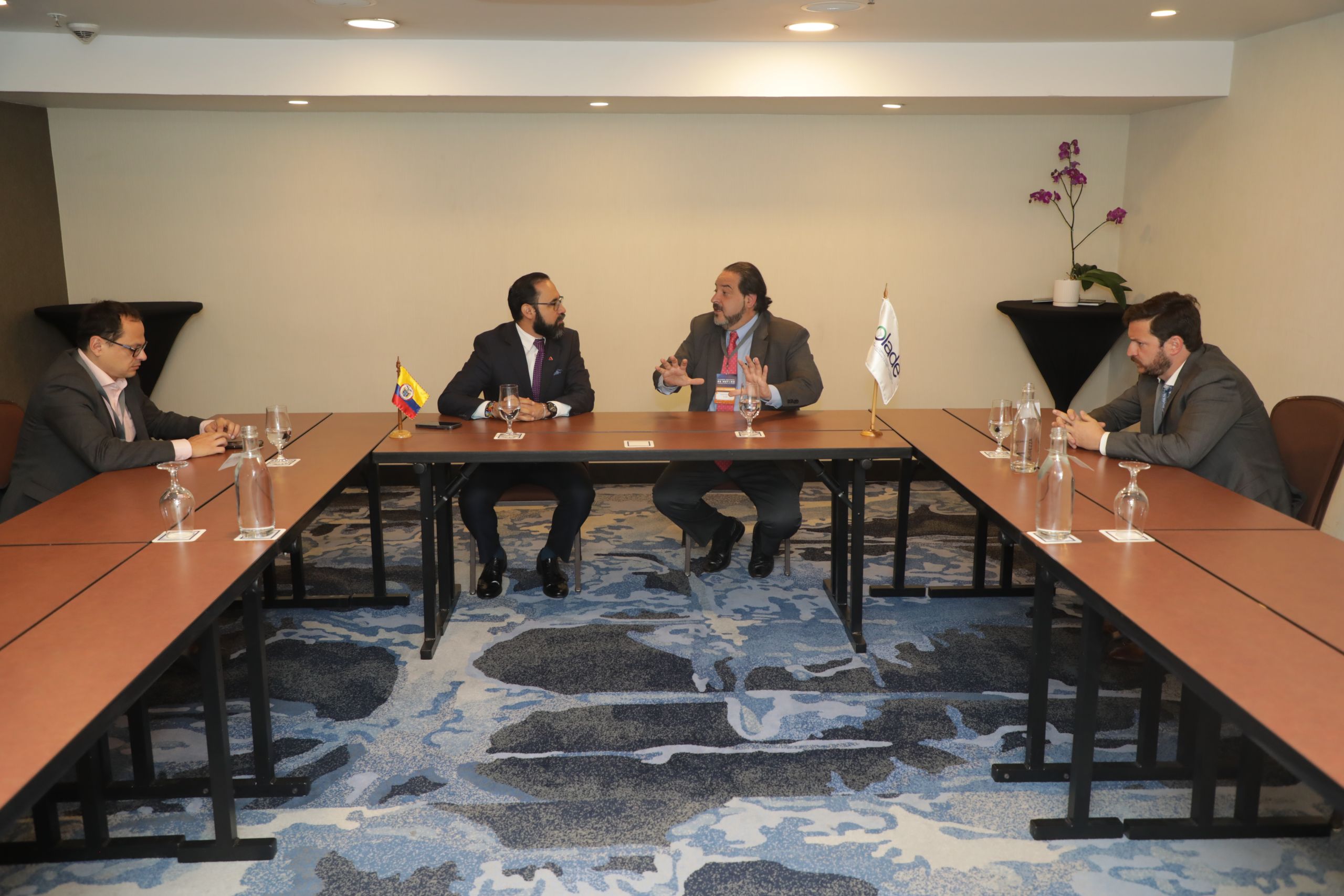
The Summit served as a forum for pooling efforts and strengthening ties with regional partners. One of its most significant milestones was the signing of the Framework Agreement on Cooperation between OLADE and ARPEL, signed by their respective Executive Secretaries, Andrés Rebolledo and Carlos Garibaldi, which included the incorporation of ARPEL as a strategic partner of OEMLAC in pursuit of its objectives.
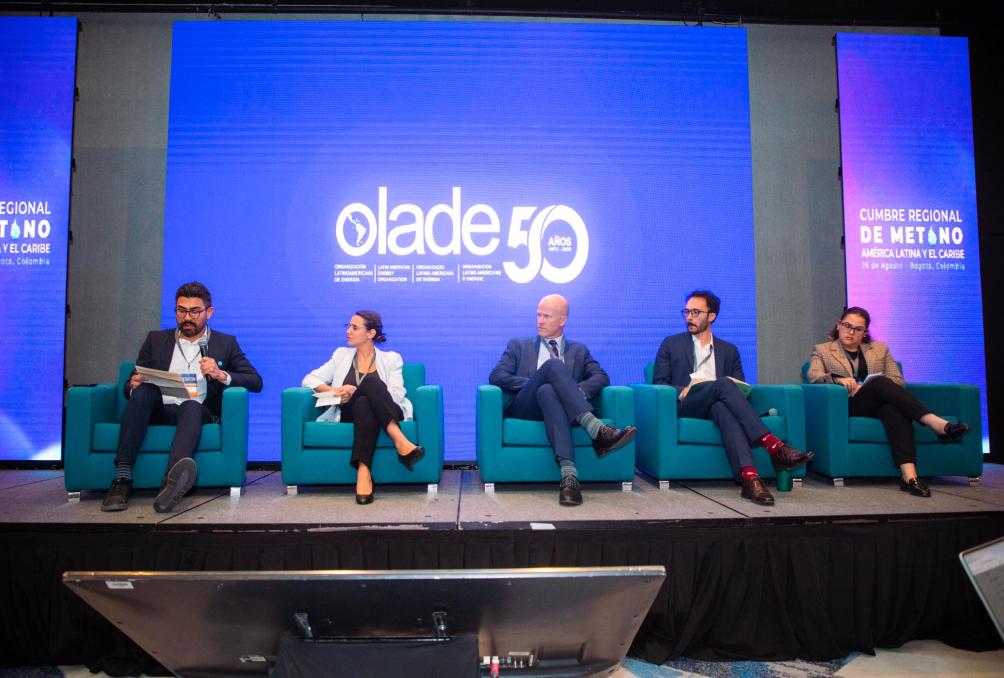
Similarly, the Summit provided an opportunity to announce the OEMLAC roadmap, which includes, among other things:
For more details on the first Regional Methane Summit, see the publication *nvisible Leaks, Visible Solutions and the recording available on our YouTube channel.
–