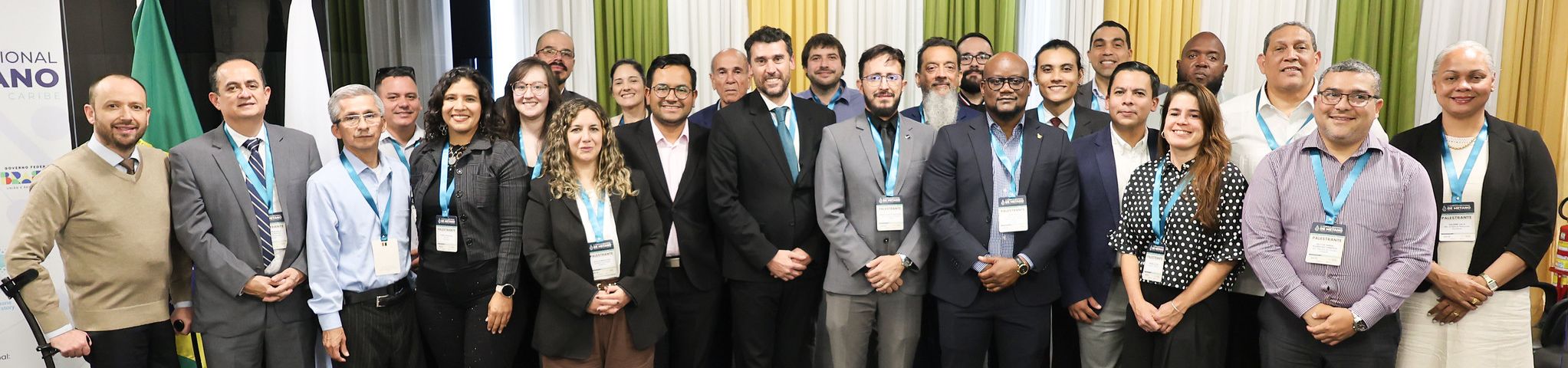


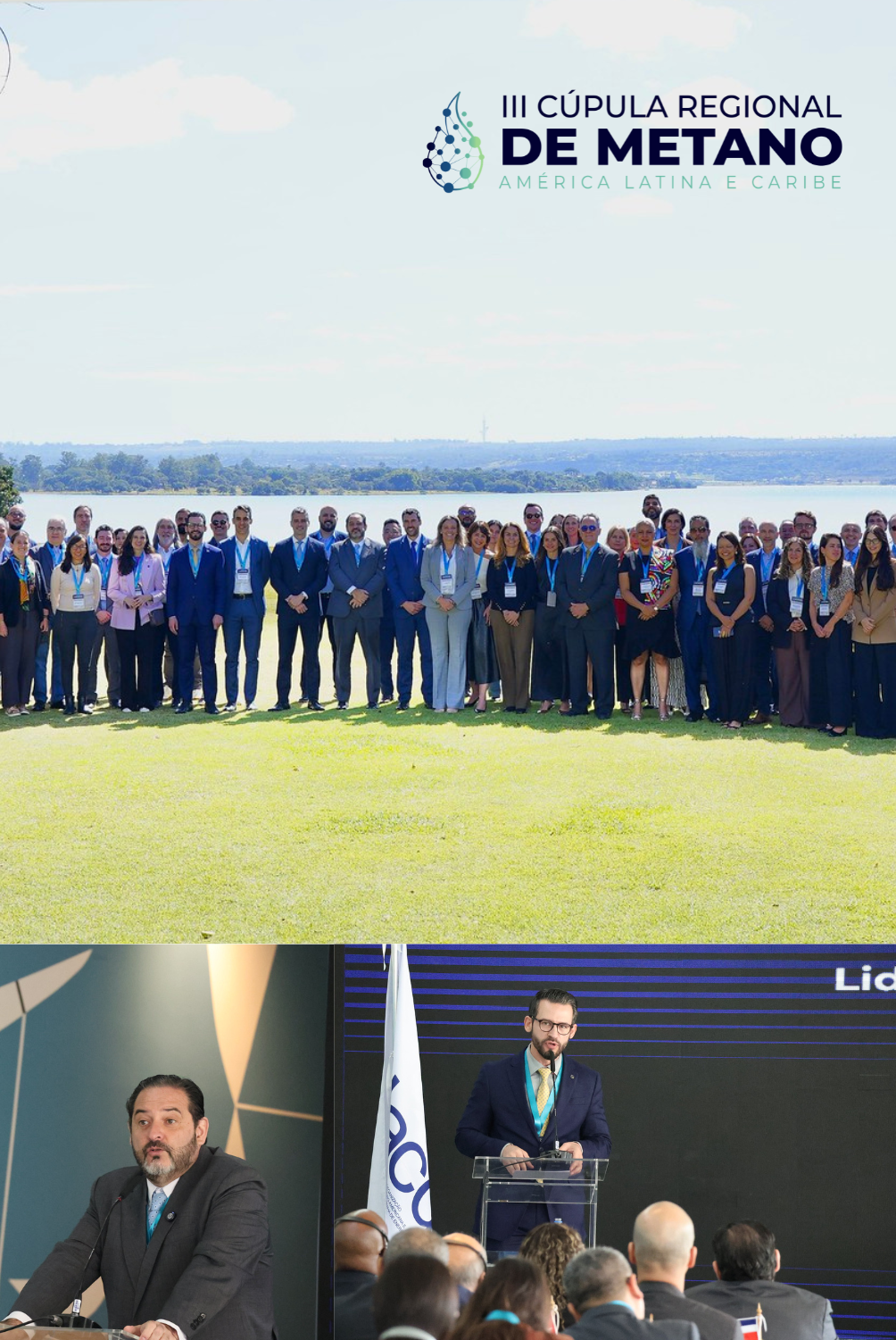
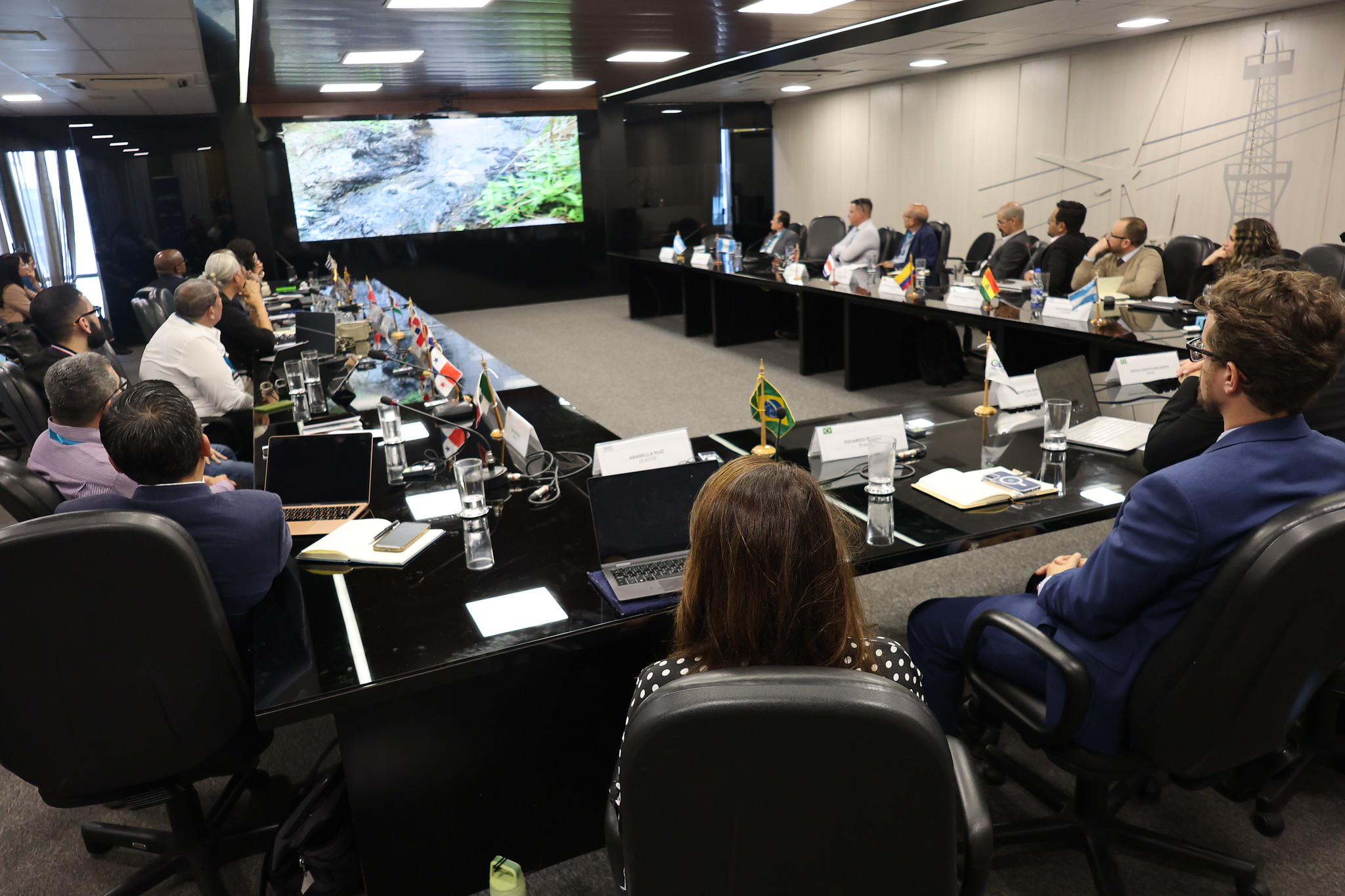
On June 8 and 9, 2026, Brasília brought together representatives from governments, companies, international organizations, financial institutions, academia, and technical organizations at the Third Regional Methane Summit, which has already established itself as one of the main forums for regional dialogue on methane emissions management in Latin America and the Caribbean.
Organized by the Latin American and Caribbean Energy Organization (OLACDE), through the Latin American and Caribbean Methane Emissions Observatory (OEMLAC), together with Brazil’s Ministry of Mines and Energy, and in close collaboration with the International Methane Emissions Observatory (IMEO), the Global Methane Hub (GMH), and CAF —the Development Bank of Latin America and the Caribbean—the Summit brought together more than 120 participants, 45 panelists, and representatives from 71 organizations across 23 countries. The agenda combined panel discussions, technical training sessions, bilateral meetings, and specialized dialogue forums to advance the regional agenda for methane emissions mitigation.
During the opening ceremony, OLACDE Executive Secretary Andrés Rebolledo emphasized that the region is entering a new phase in the methane agenda. Following an initial phase focused on better understanding emissions and strengthening information systems, the challenge now is to move toward more concrete solutions.
“In a second phase, we want to move on to action, to more concrete and programmatic solutions,” he said.
Rebolledo also noted that Latin America and the Caribbean account for about 5% of global natural gas production and 11% of oil production. Given the growth prospects for both sectors, he emphasized the importance of accompanying this expansion in production with mitigation policies that simultaneously strengthen energy security and regional competitiveness.
Brazil took center stage in the discussions at this year’s event. Topics ranged from regulatory advances spearheaded by the National Agency for Petroleum, Natural Gas, and Biofuels (ANP) to the experiences shared by Petrobras, the Energy Research Company (EPE), ABiogás, and other national institutions.
The Summit highlighted how the country is gradually developing the technical and institutional tools needed to integrate methane emission reductions into its energy and climate strategy. The experiences shared demonstrated how public planning, regulation, technological innovation, and the productive sector can work together to accelerate the implementation of solutions.
The meeting reflected an evolution in the regional agenda. While in recent years the focus had been on better understanding methane emissions and strengthening information systems, the discussions in Brasília were shaped by a different question: how to translate that knowledge into concrete mitigation actions.
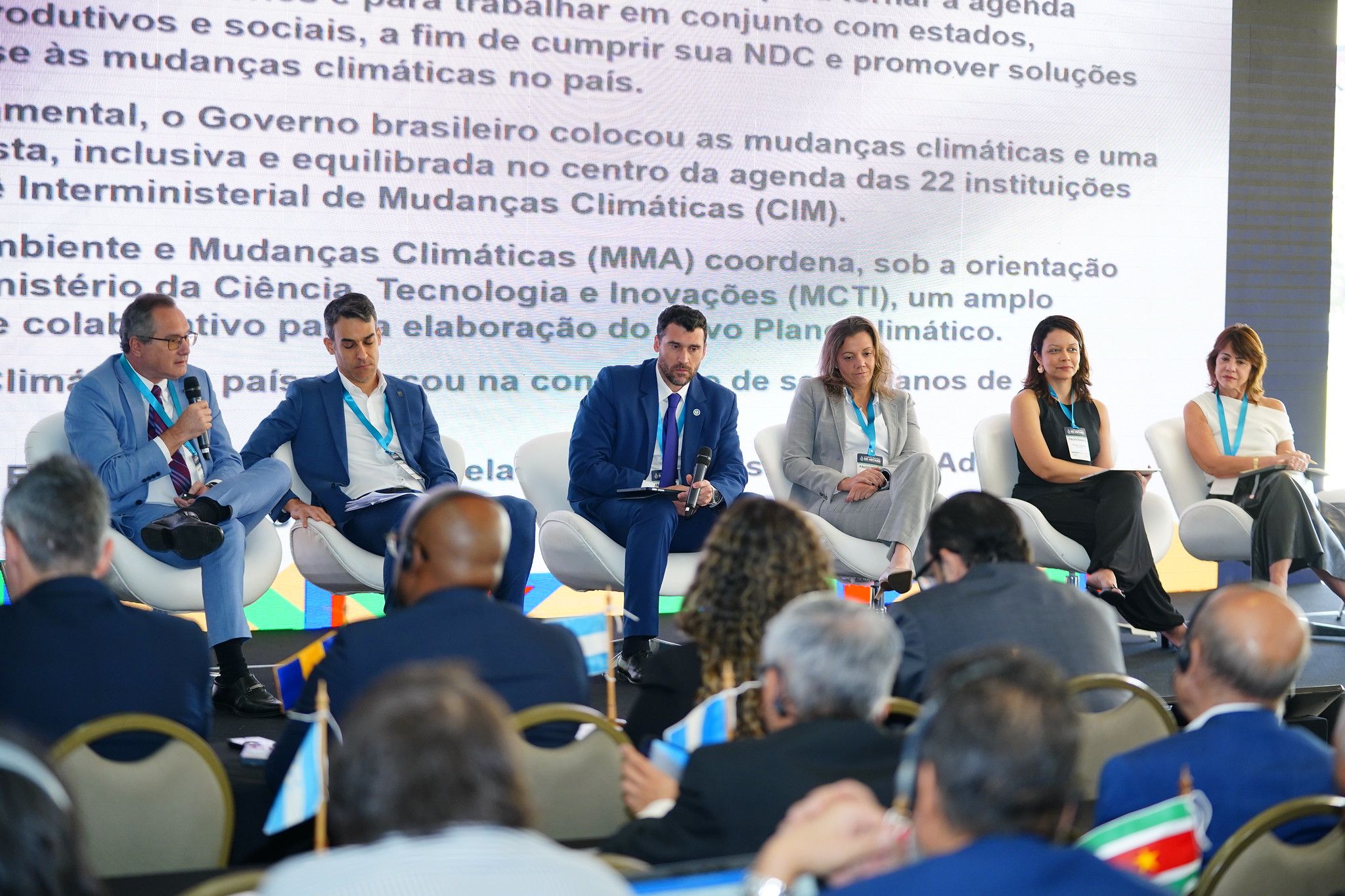
The discussions were organized around three main themes. The first was strengthening the governance and institutional capacities needed to transform commitments and regulatory frameworks into sustainable long-term policies. The second focused on developing increasingly robust monitoring and information management systems, supported by satellite, aerial, and ground-based technologies. Finally, the Summit explored how methane mitigation can become an opportunity to strengthen the competitiveness of energy supply chains, mobilize investments, and generate new business models related to biogas, biomethane, and other energy recovery solutions.
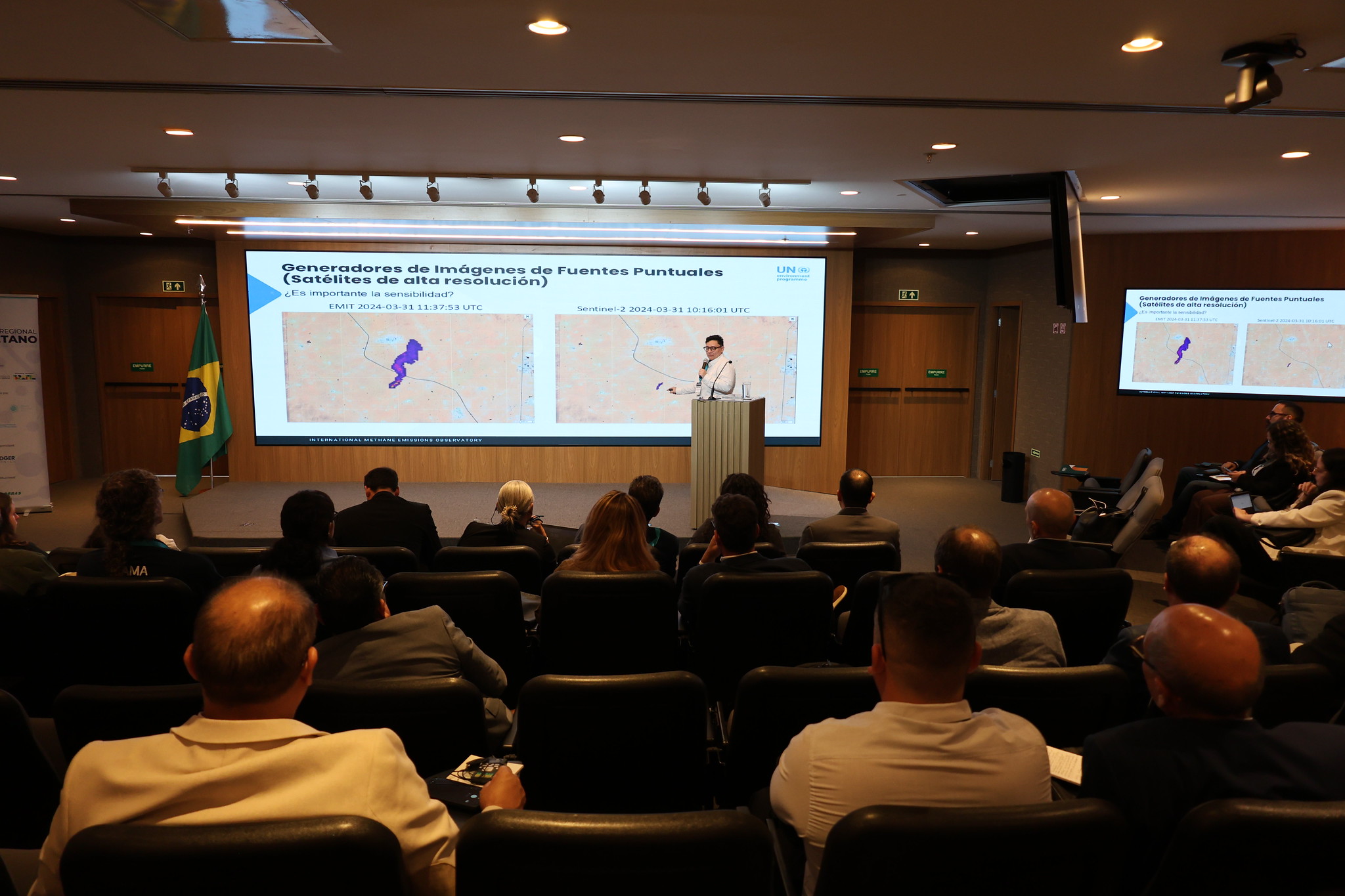
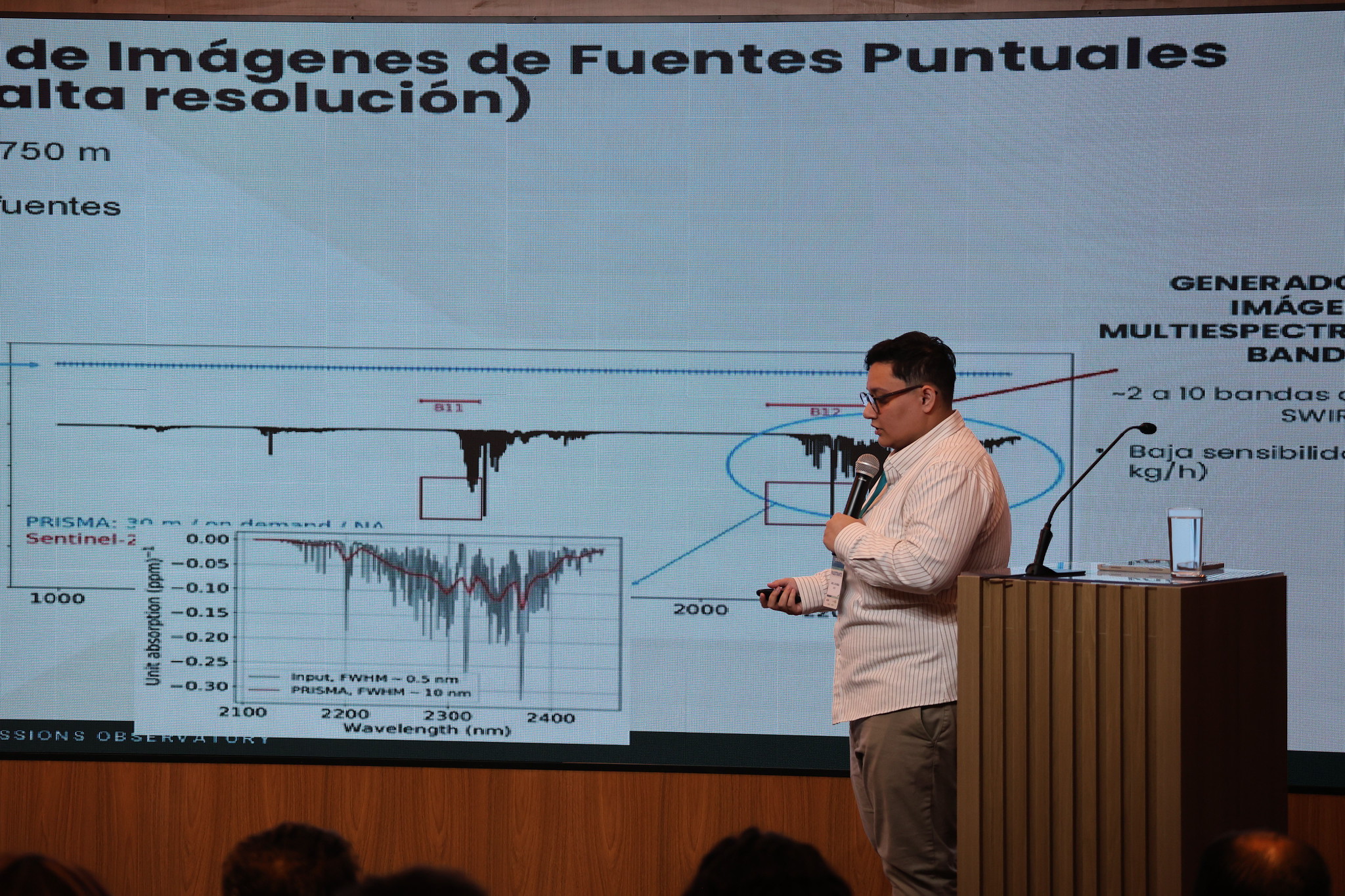
As part of capacity-building activities, specialists from the International Methane Emissions Observatory (IMEO) conducted a technical training session aimed at deepening knowledge of the detection, monitoring, and management of emissions using satellite tools. The event brought together government representatives, regulators, companies, and technical specialists from the region, promoting the exchange of knowledge and the use of new tools to support decision-making and the implementation of mitigation strategies.
Another highlight among the special activities was the Transatlantic Dialogue on Methane Regulation, held as part of the Methane Regulator-to-Regulator (MR2R) network, which brought together regulators from Europe, Latin America, and the Caribbean to exchange experiences on the measurement, reporting, and verification of emissions, as well as on the challenges associated with implementing the European Union’s Methane Regulation.
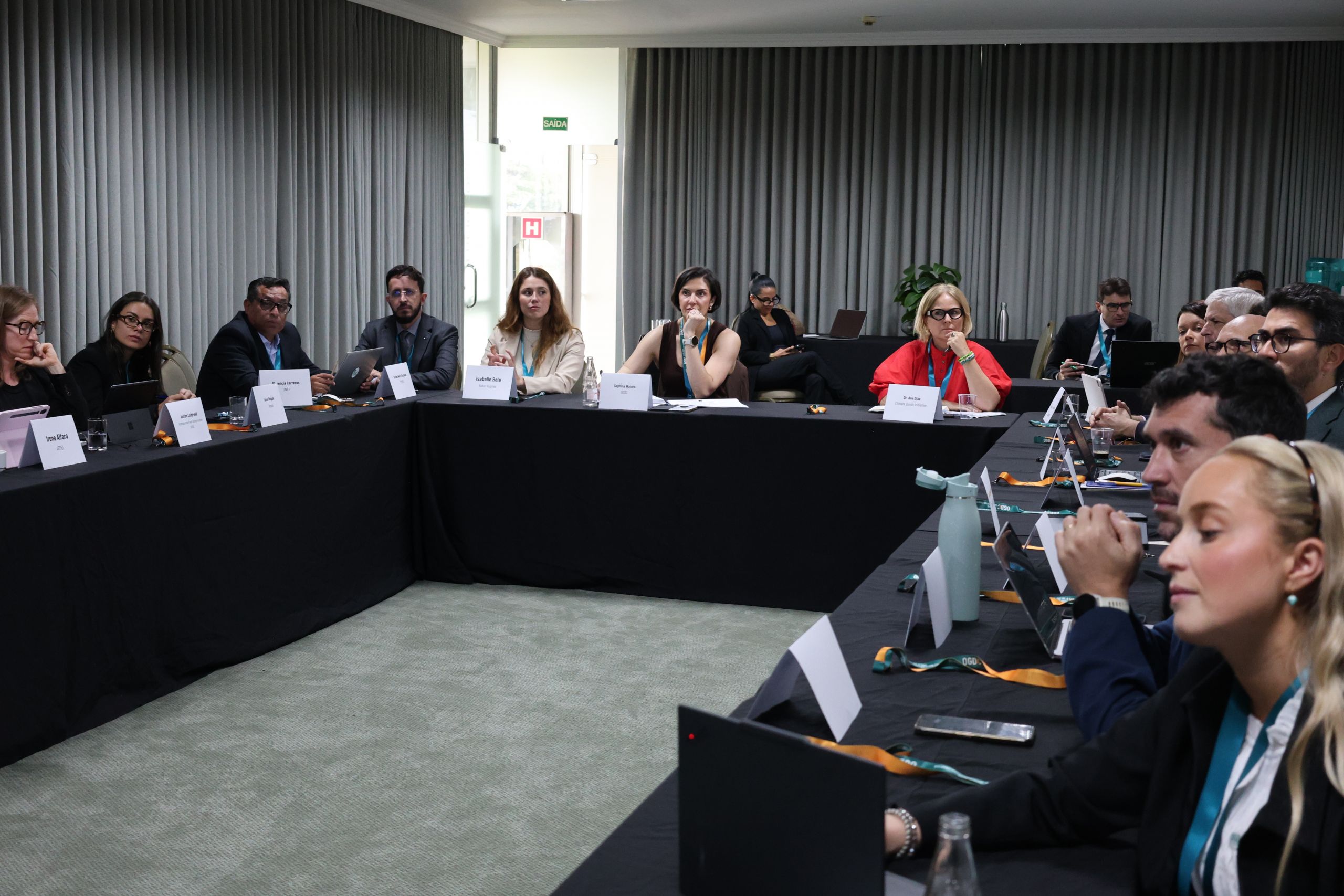
In addition, the Oil & Gas Decarbonization Charter (OGDC) organized an executive roundtable focused on financing projects to reduce methane emissions and achieve operational decarbonization. The event brought together representatives from industry, multilateral agencies, financial institutions, and technical organizations to discuss mechanisms for transforming mitigation opportunities into projects ready to access financing and accelerate their implementation in the region.
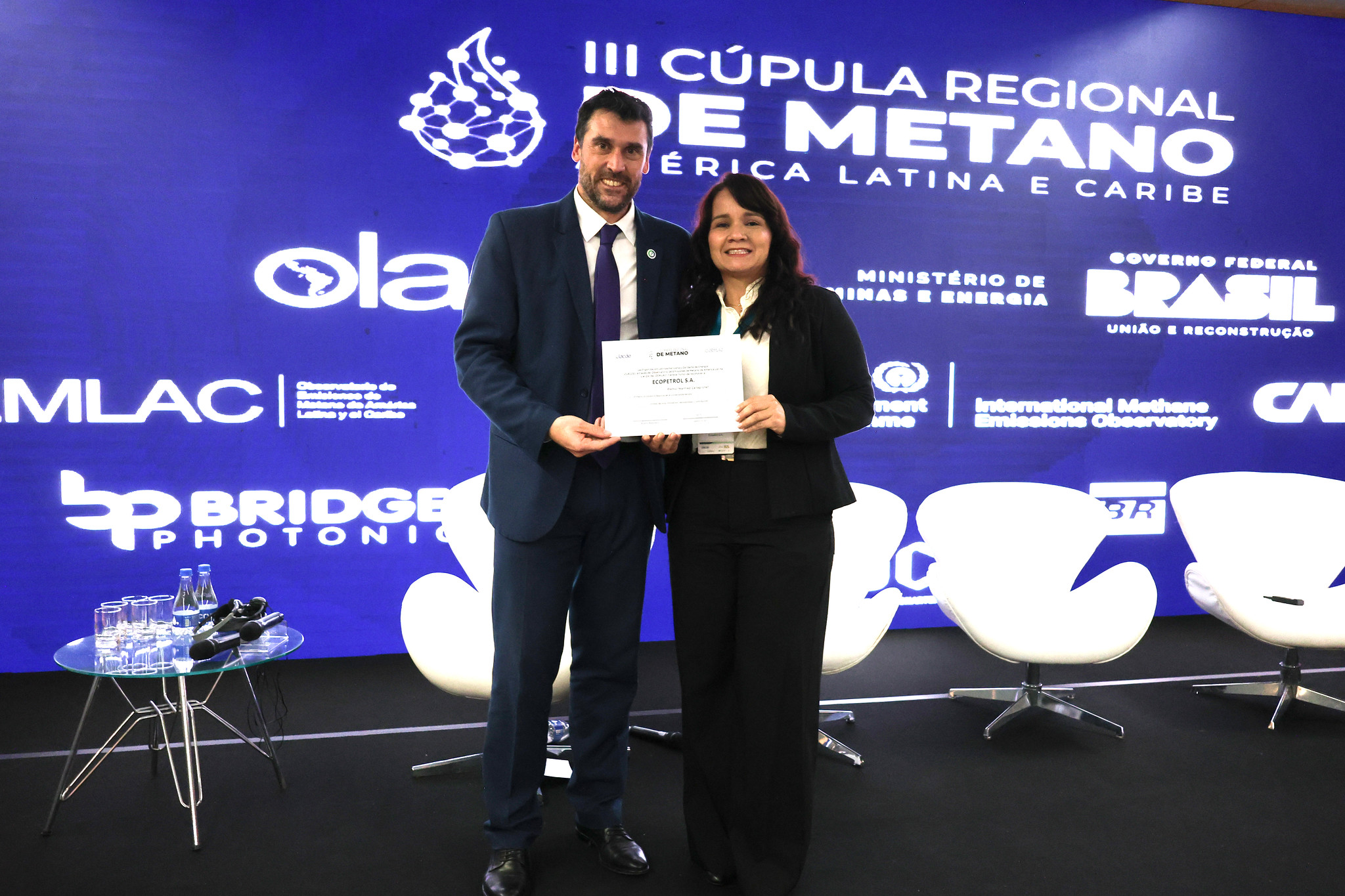
The Summit also served as the venue for the presentation of the “Manfredi Caltagirone” Award, part of the First Regional Call for Methane Action Proposals. The award was presented to Ecopetrol S.A. for an initiative that integrates measurement technologies with operational decision-making processes, thereby strengthening the identification and reduction of emissions within its operations.
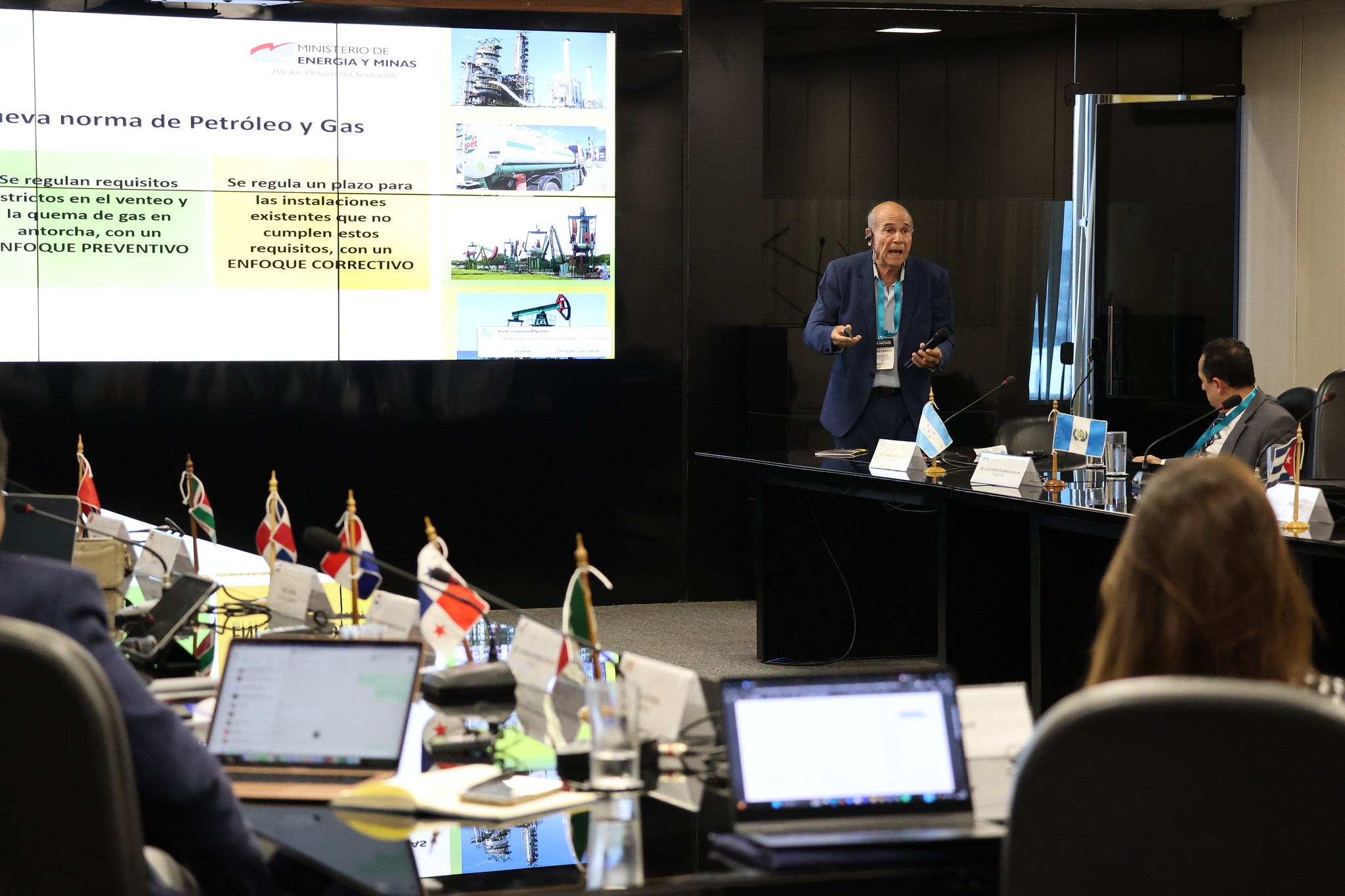
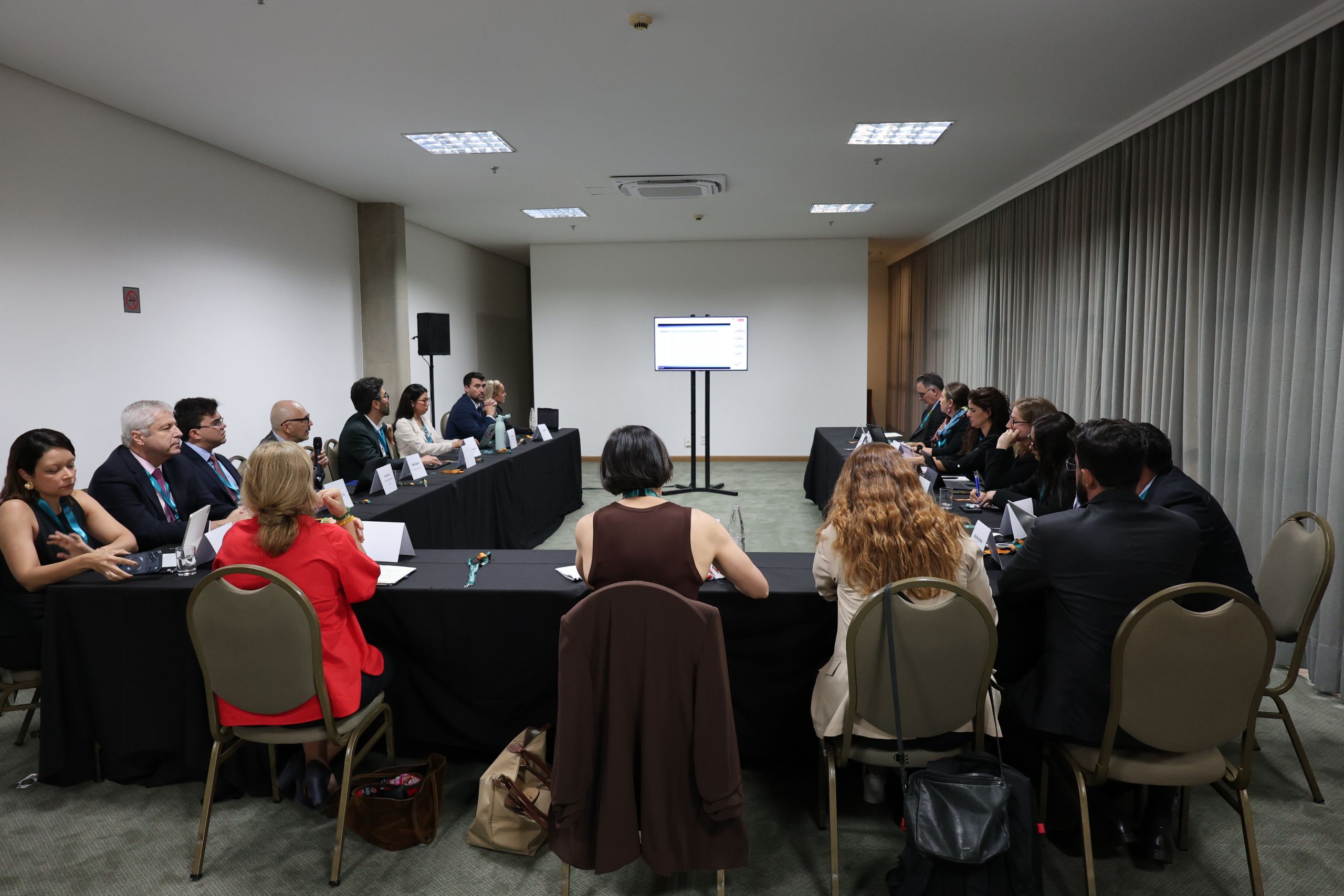
As part of the closing agenda of the Third Regional Methane Summit, government focal points from participating countries held a working session aimed at strengthening regional coordination on the methane agenda. The dialogue provided an opportunity to share national progress, identify common challenges, and explore new opportunities for cooperation to consolidate a regional vision based on the exchange of experiences and capacity building.
The III Regional Summit of Methane confirmed that Latin America and the Caribbean possess increasingly mature technical capabilities, regulatory experience, and opportunities for cooperation to advance emissions mitigation. The challenge moving forward will be to accelerate the implementation of solutions, strengthen the exchange of experiences, and continue to build a regional agenda capable of transforming information, capabilities, and commitments into concrete results.